Observatory ProtocolSpecificationReference scenes
The systems an observatory is composed of.
Wireframe scenes of the systems to which the protocol applies, each with its parts named for what they do.
- Version
- 0.1.0-draft
- Status
- Draft specification
- Specification
- CC BY 4.0
- Code
- Apache-2.0
- Steward
- GCRI Canada
- Source
- obsp-0.1-foundation
The practice this part continues.
- 2000Common standards, many builders
- Since Argo started in 2000, its profiling floats have been built by companies and research institutions alike, all held to common standards set by an international steering team. Replaceable providers behind one shared contract is the arrangement the protocol makes normative. [1]
The systems an observatory is built from.
Open a scene to turn it and read its parts.
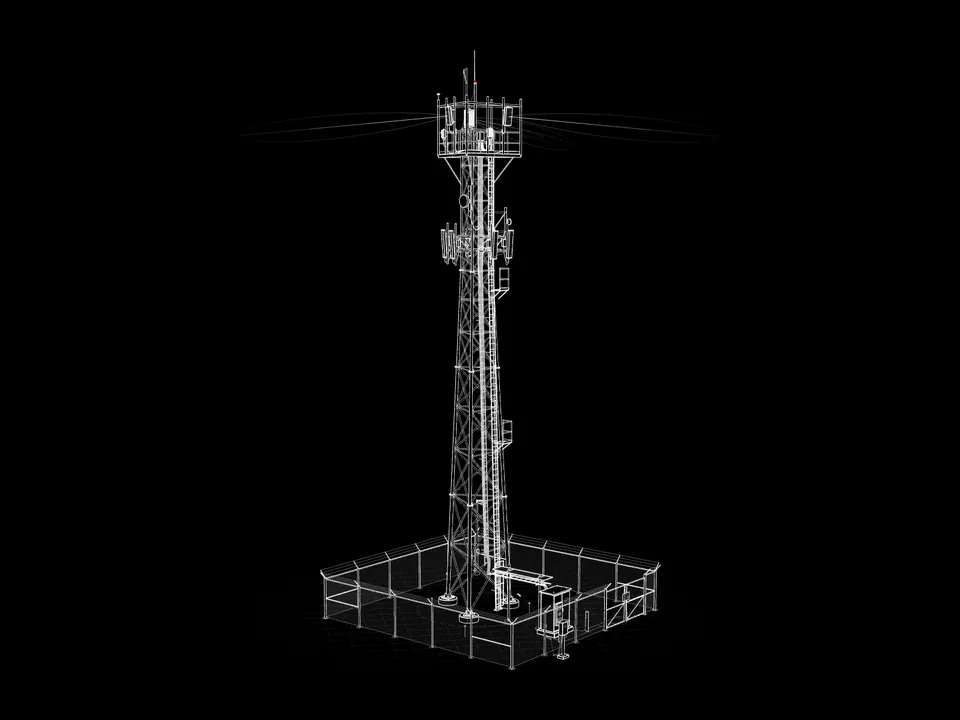 Reference scene
Telecom and private 5G tower
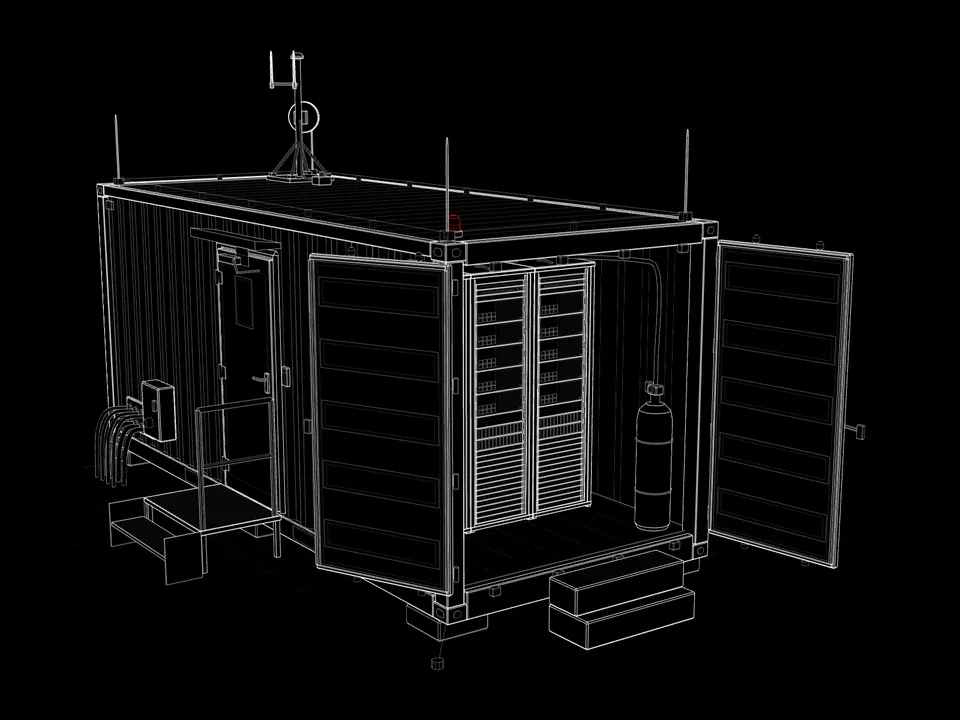 Reference scene
Edge data centre module
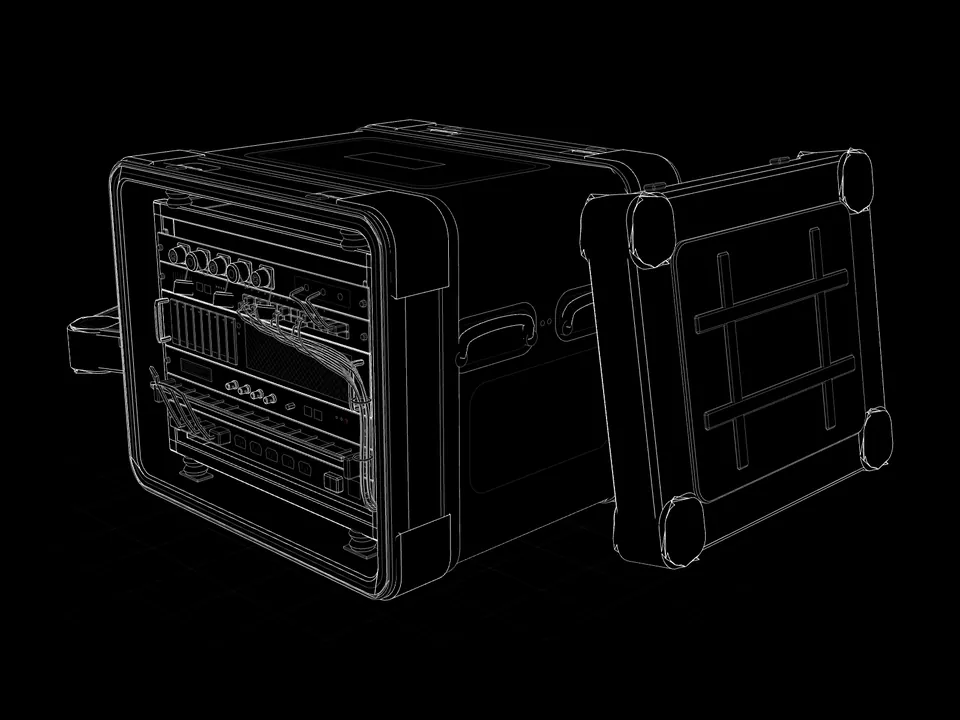 Reference scene
Ruggedised rack case
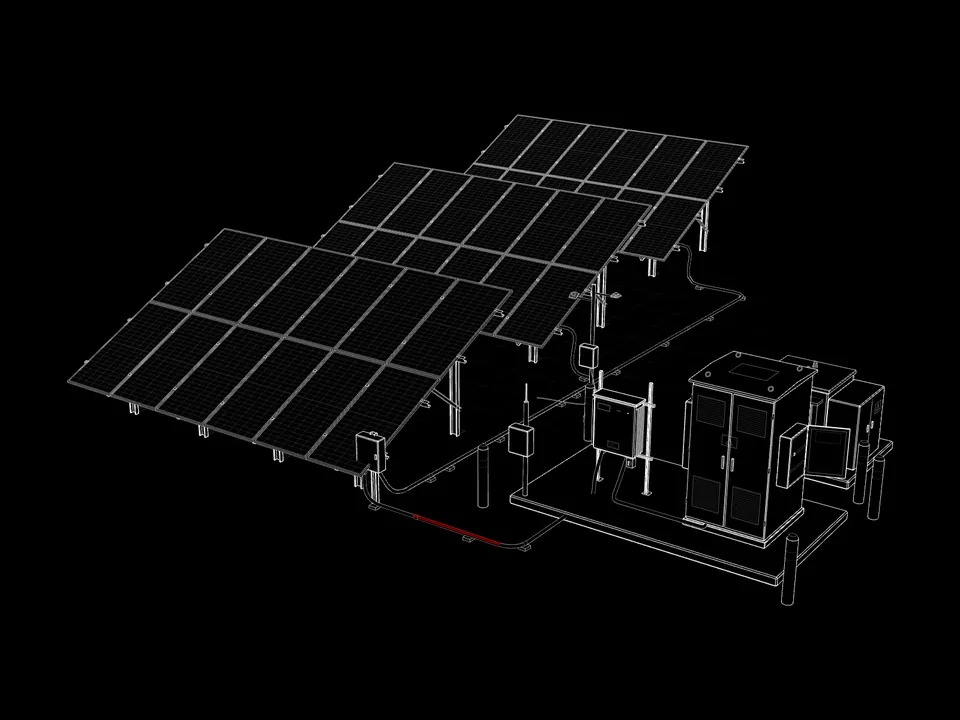 Reference scene
Solar and storage microgrid
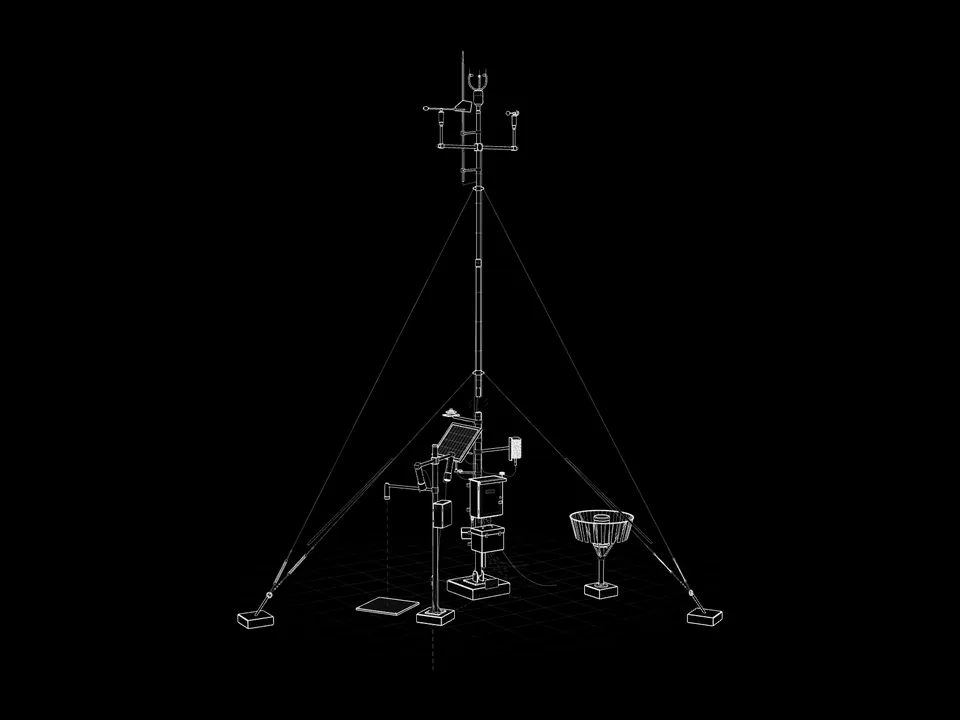 Reference scene
Automatic weather station
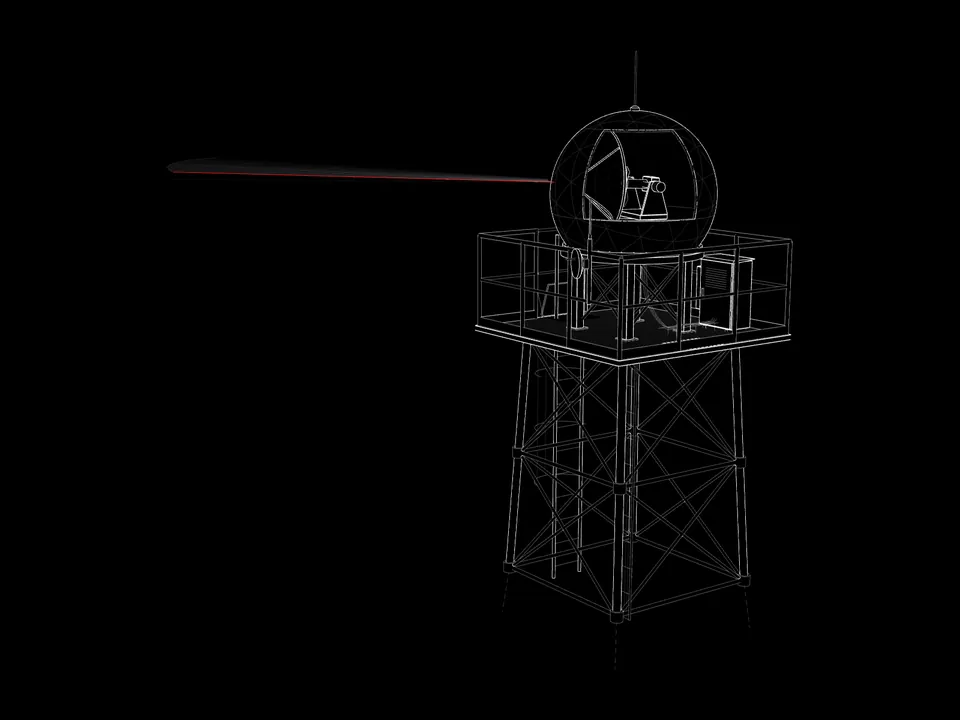 Reference scene
Weather and sensing radar
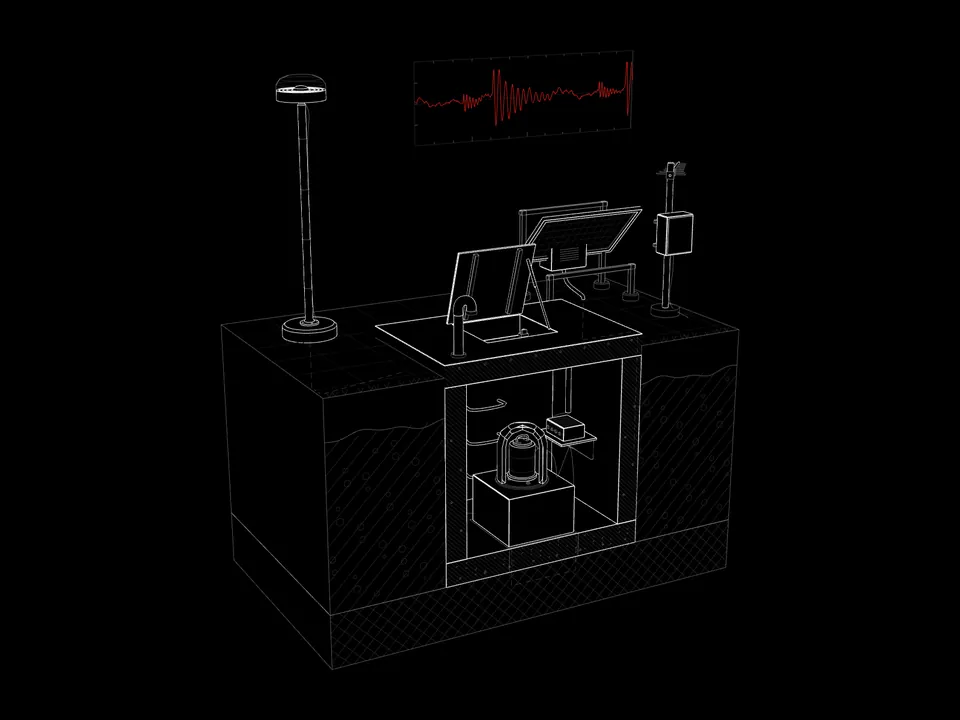 Reference scene
Seismic vault station
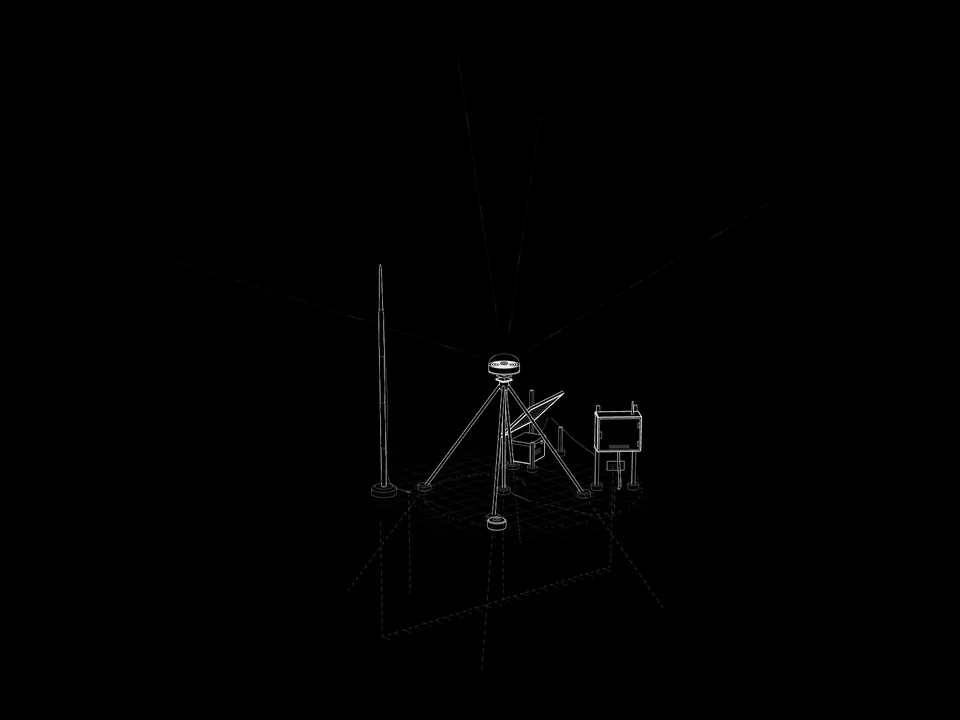 Reference scene
Geodetic GNSS monument
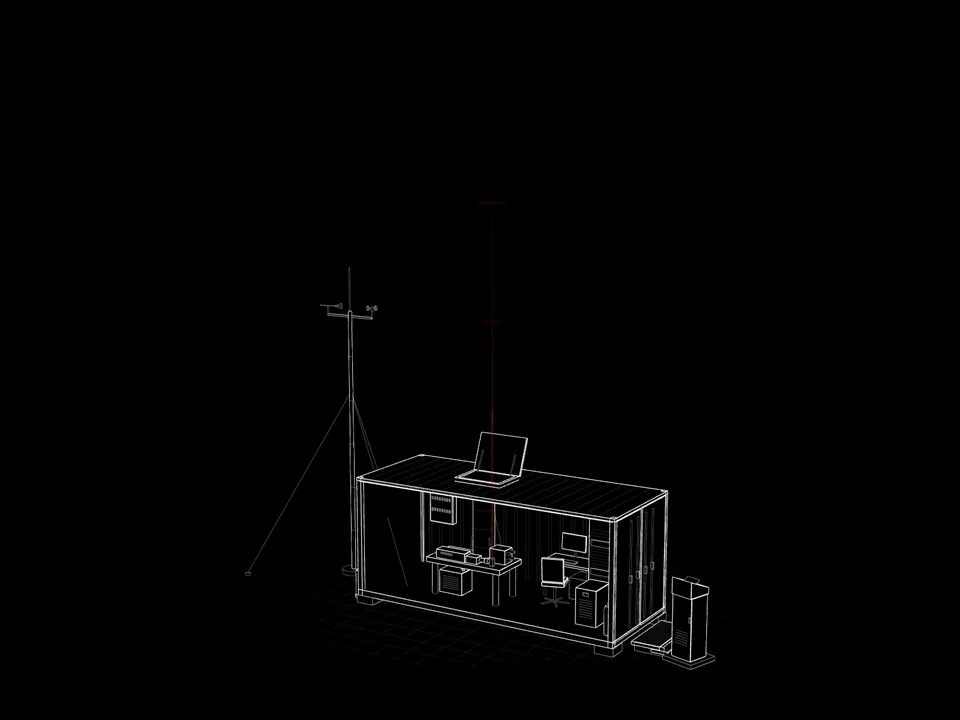 Reference scene
Atmospheric lidar station
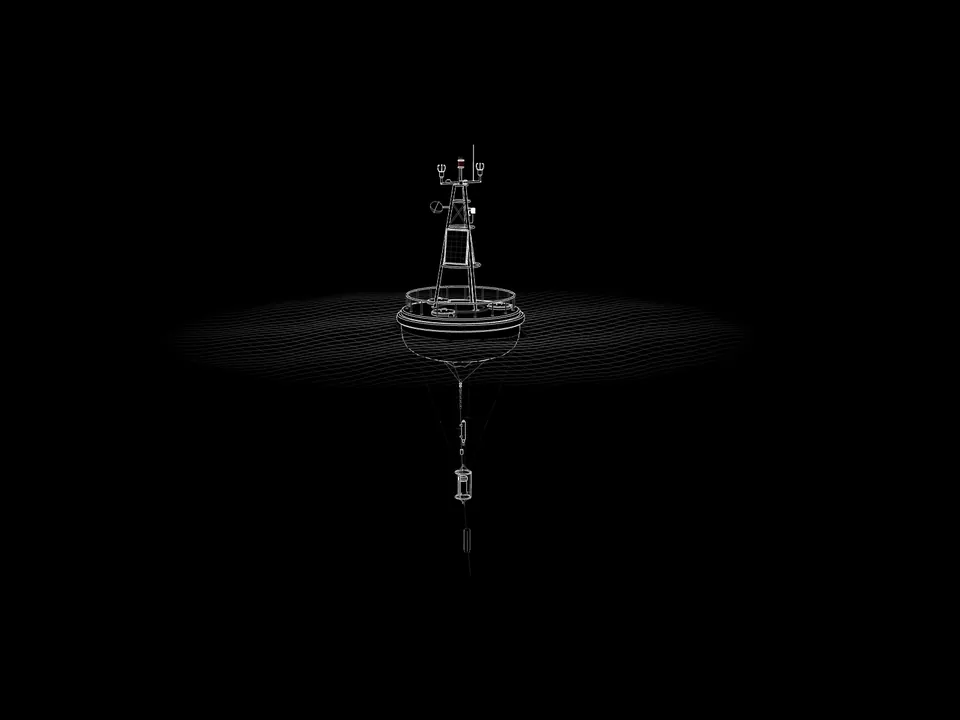 Reference scene
Met-ocean buoy
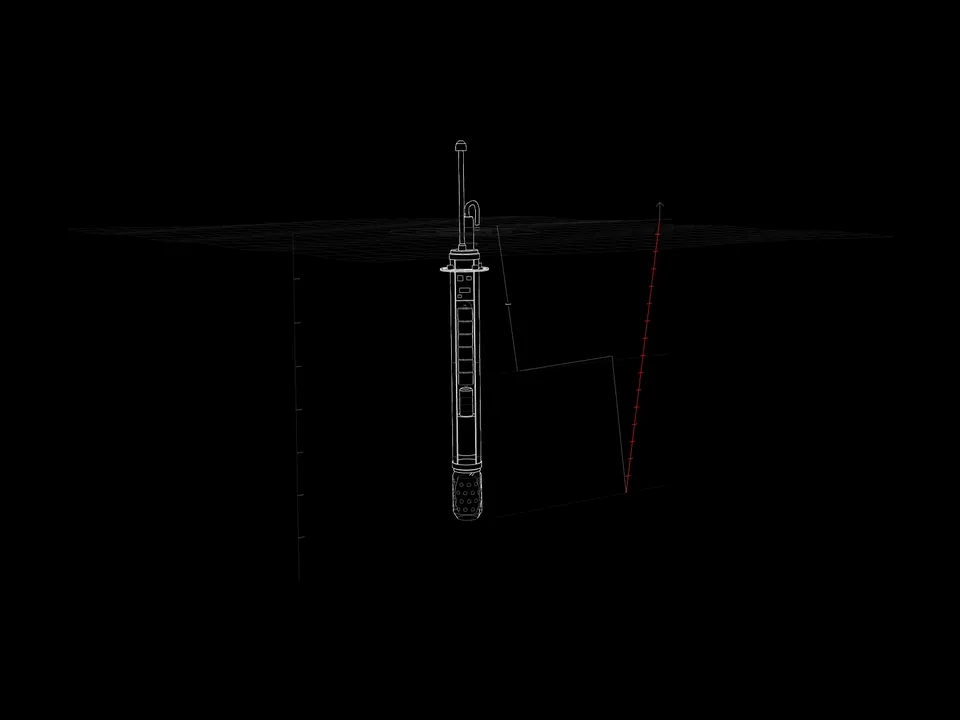 Reference scene
Profiling ocean float
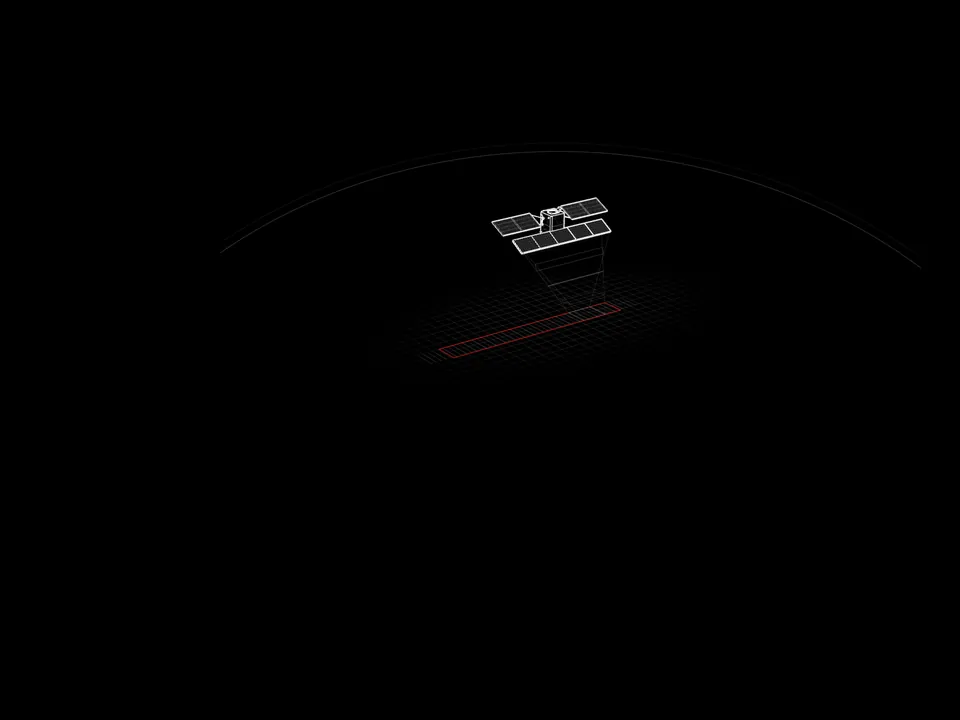 Reference scene
Earth-observation satellite
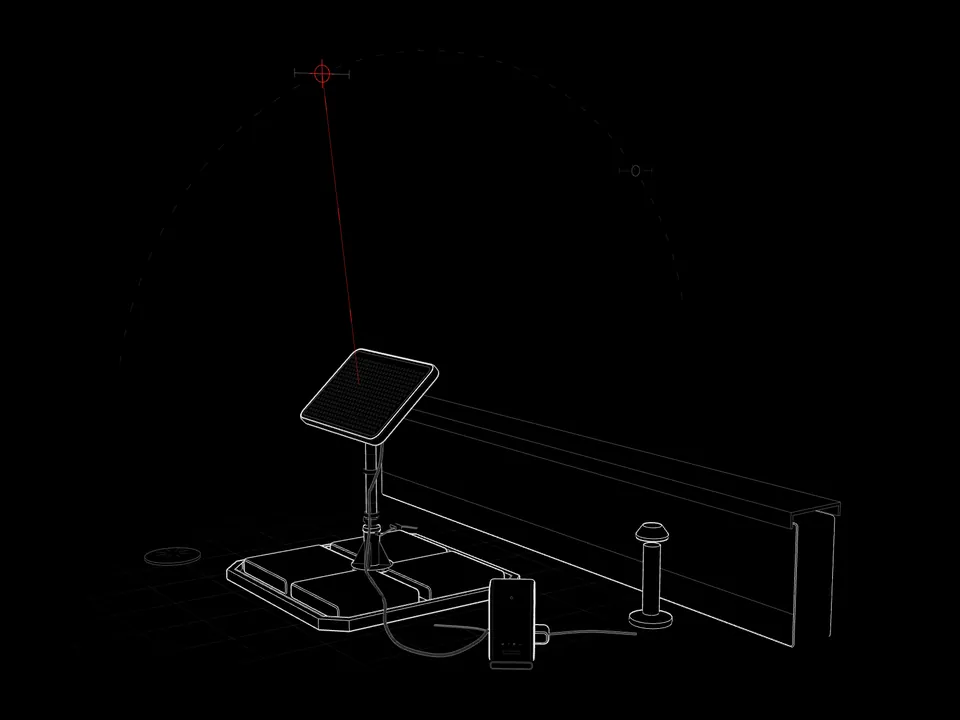 Reference scene
LEO user terminal
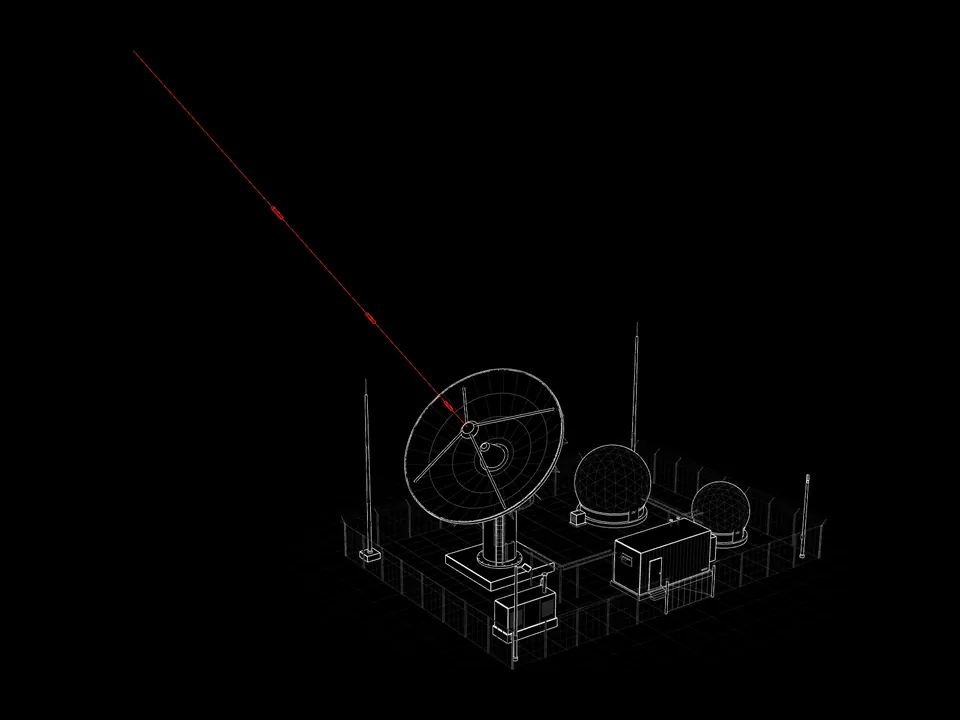 Reference scene
Satellite ground station
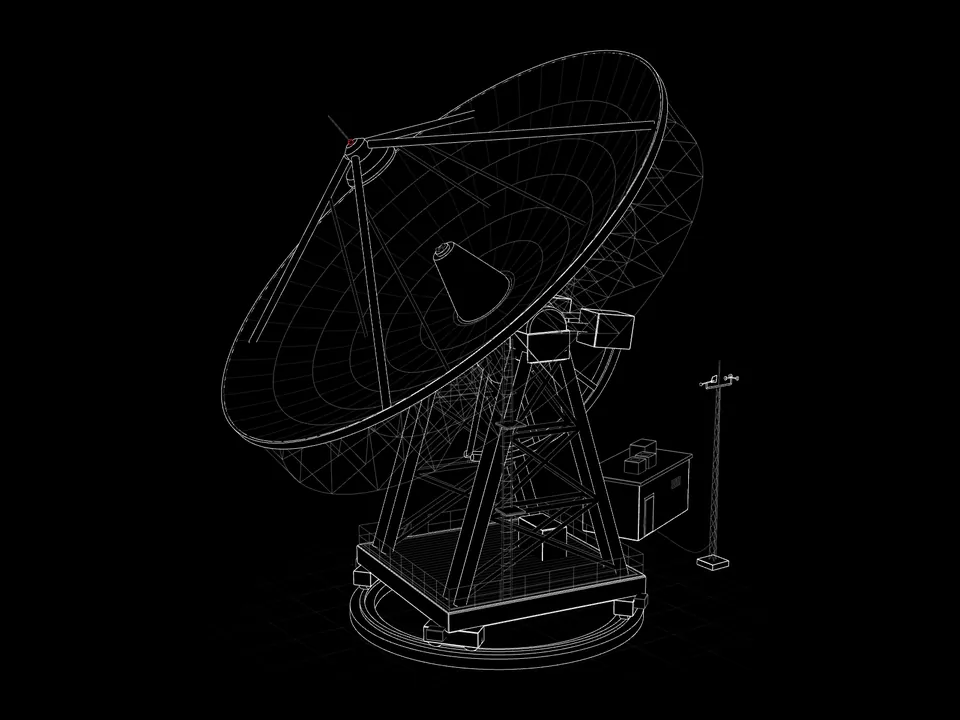 Reference scene
25 m radio telescope
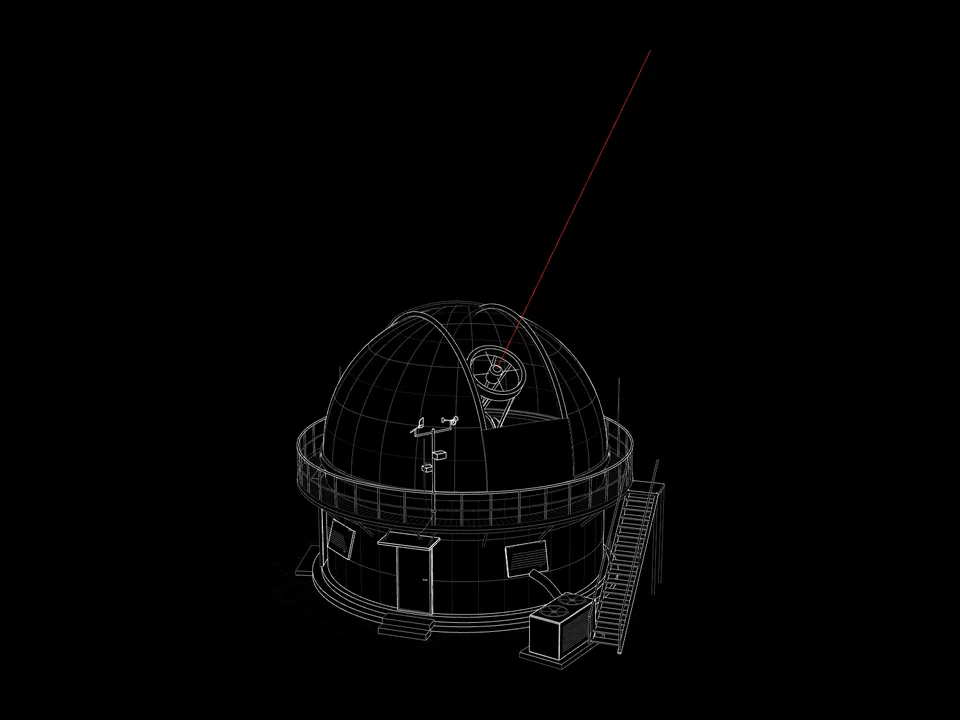 Reference scene
Optical observatory dome
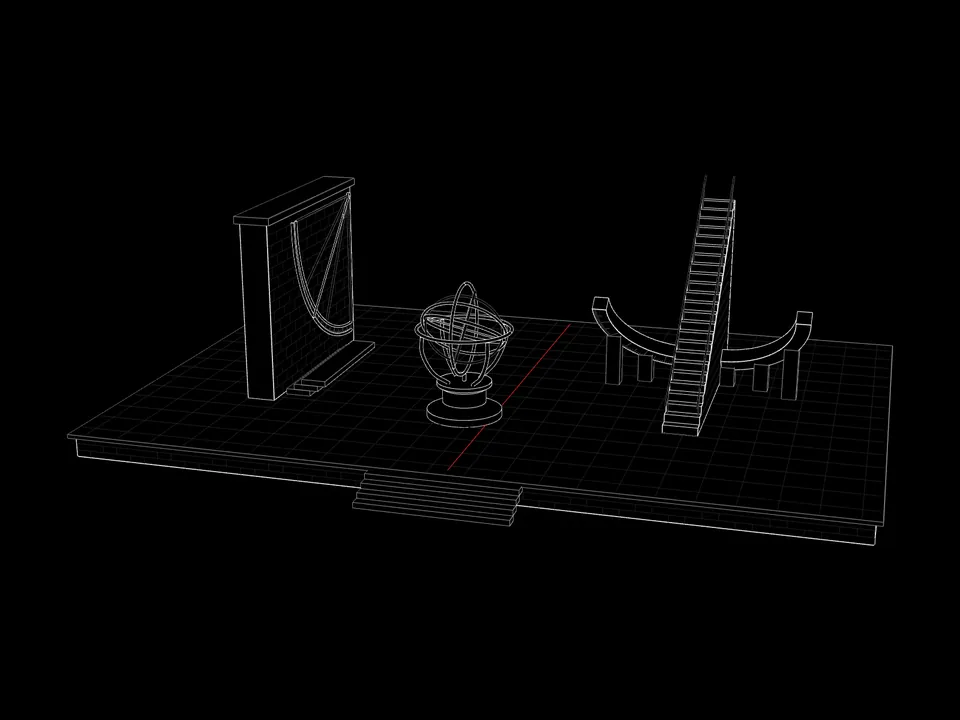 Reference scene
Heritage instrument terrace
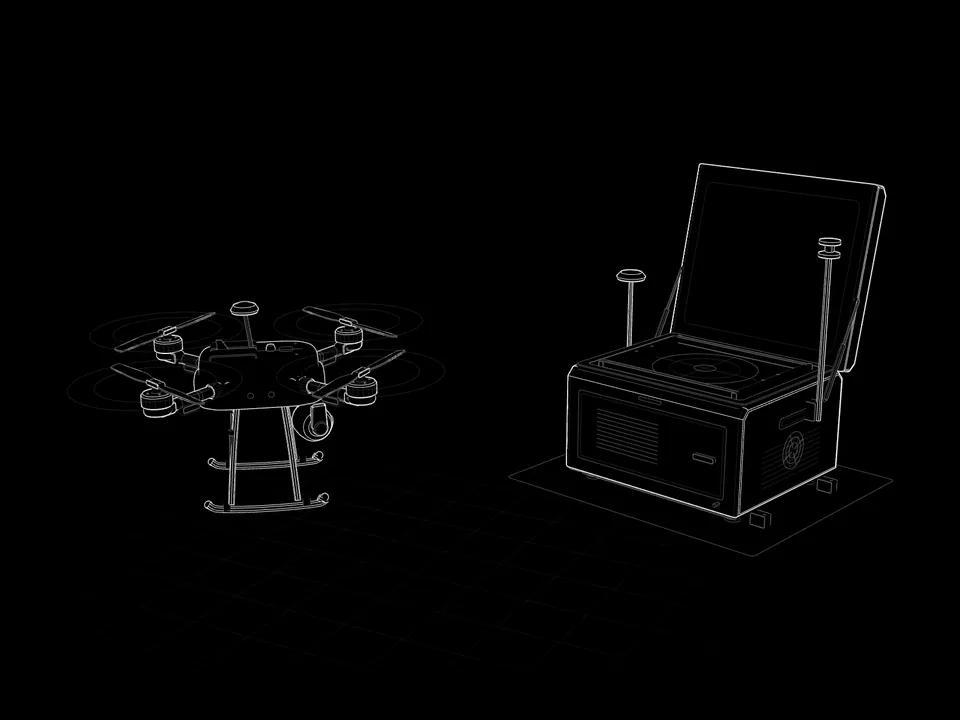 Reference scene
Survey drone and dock
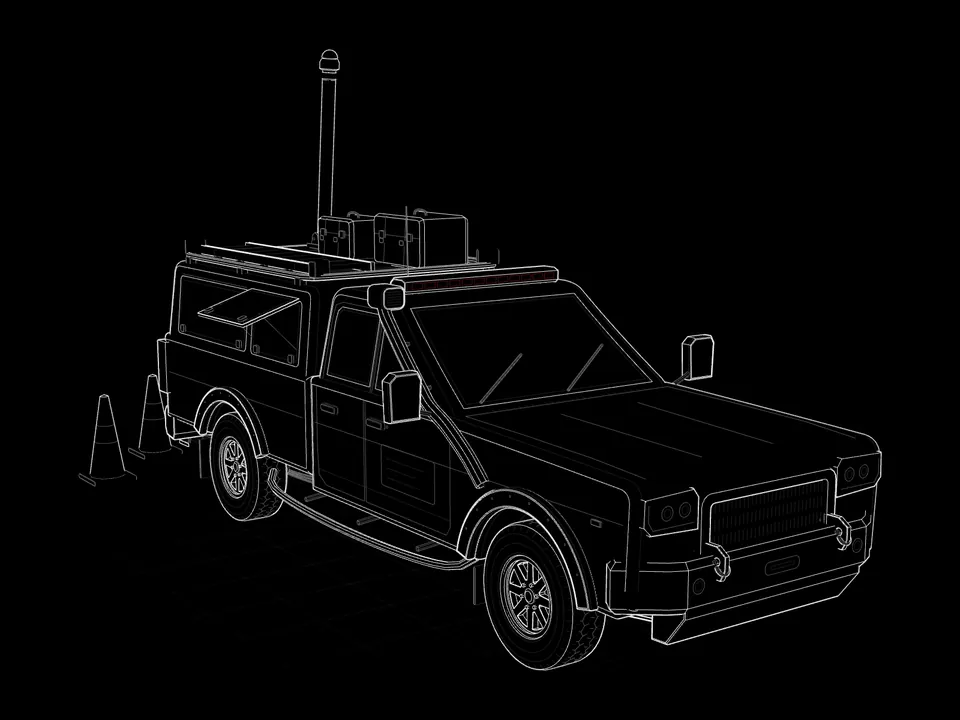 Reference scene
Field-service vehicle
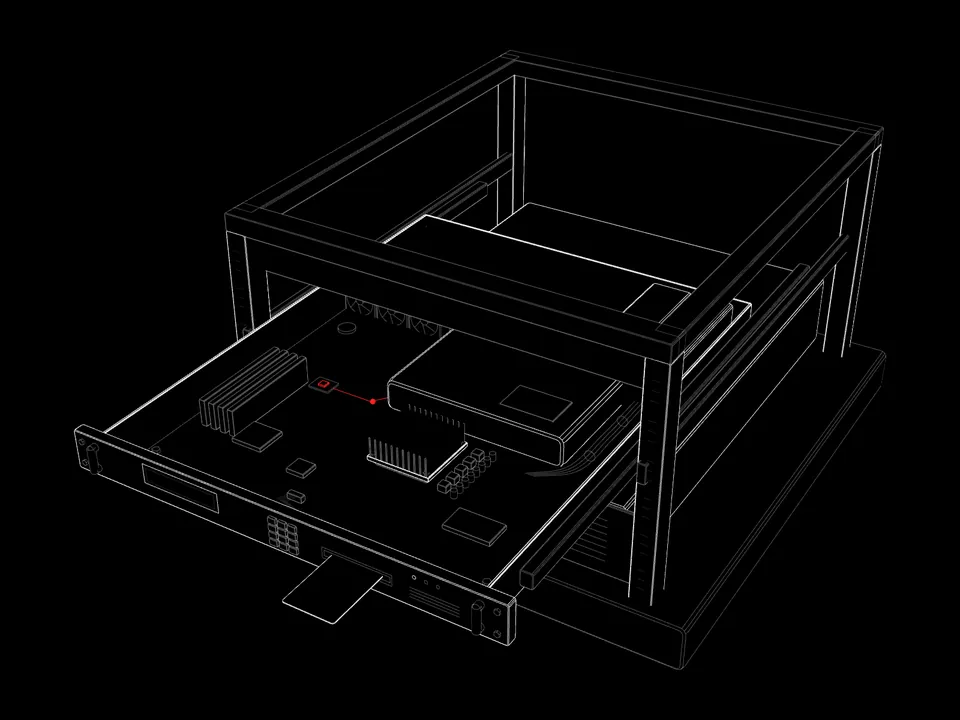 Reference scene
Hardware security module
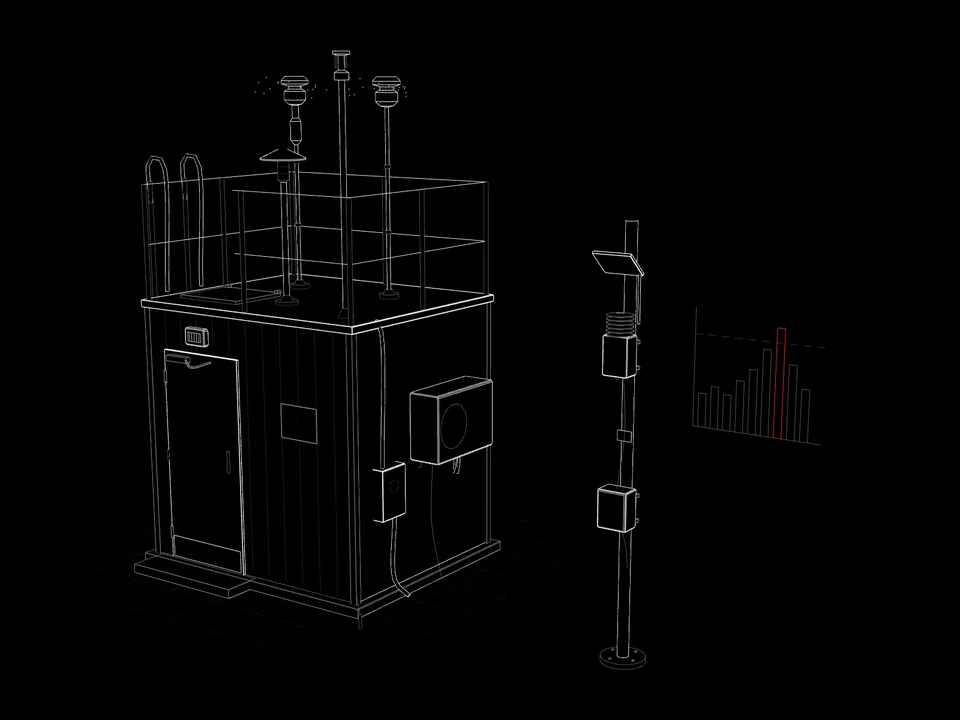 Reference scene
Air-quality station and node
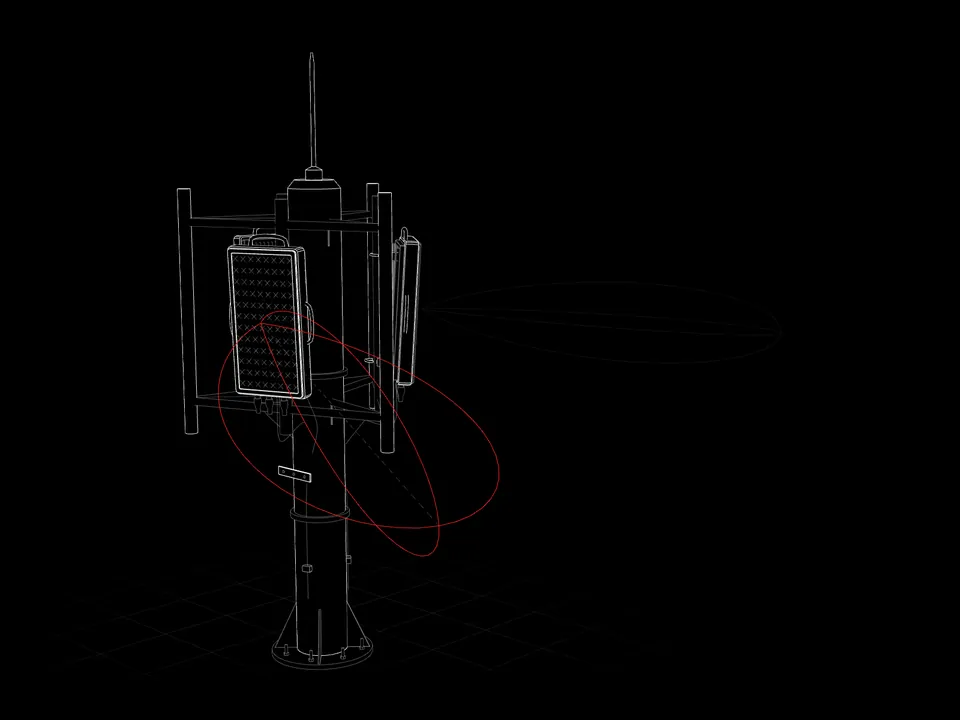 Reference scene
Massive-MIMO sector head
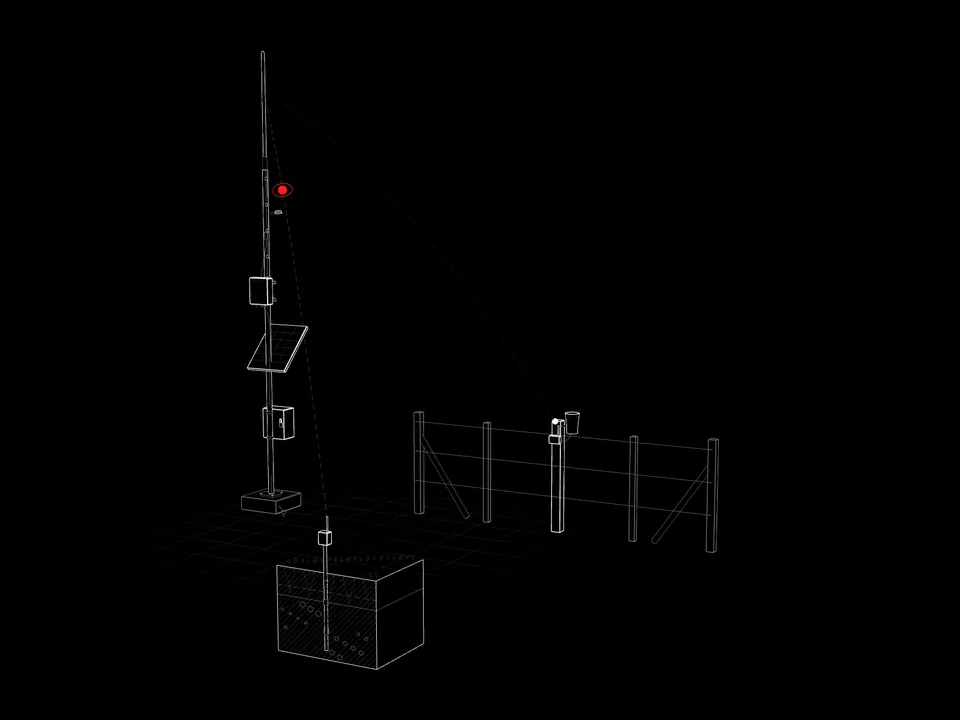 Reference scene
LoRaWAN field kit
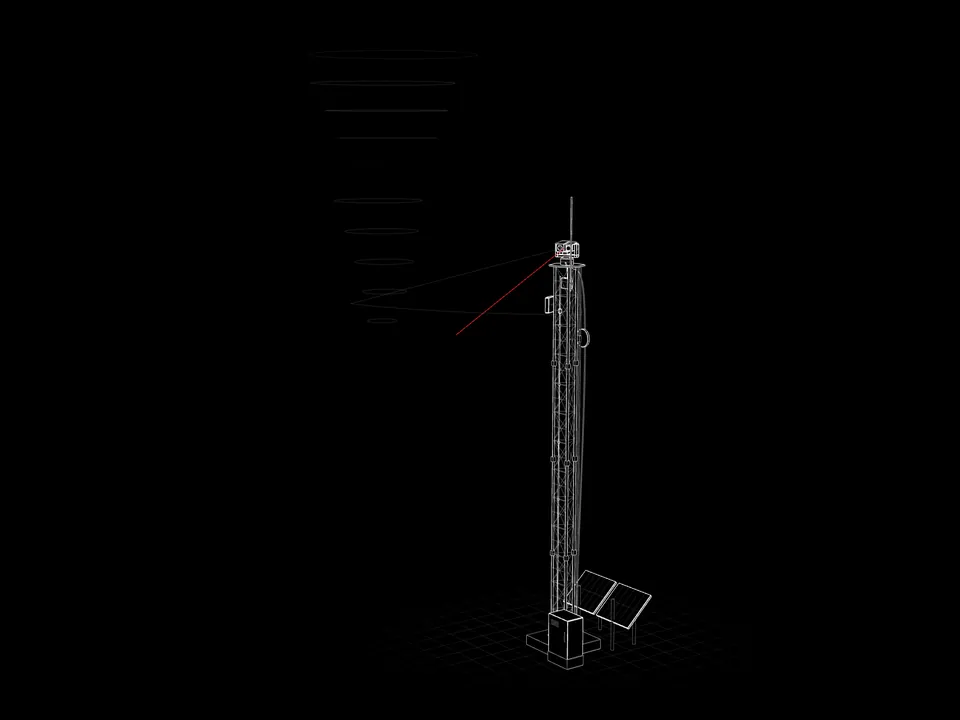 Reference scene
Wildfire detection camera
 Reference scene
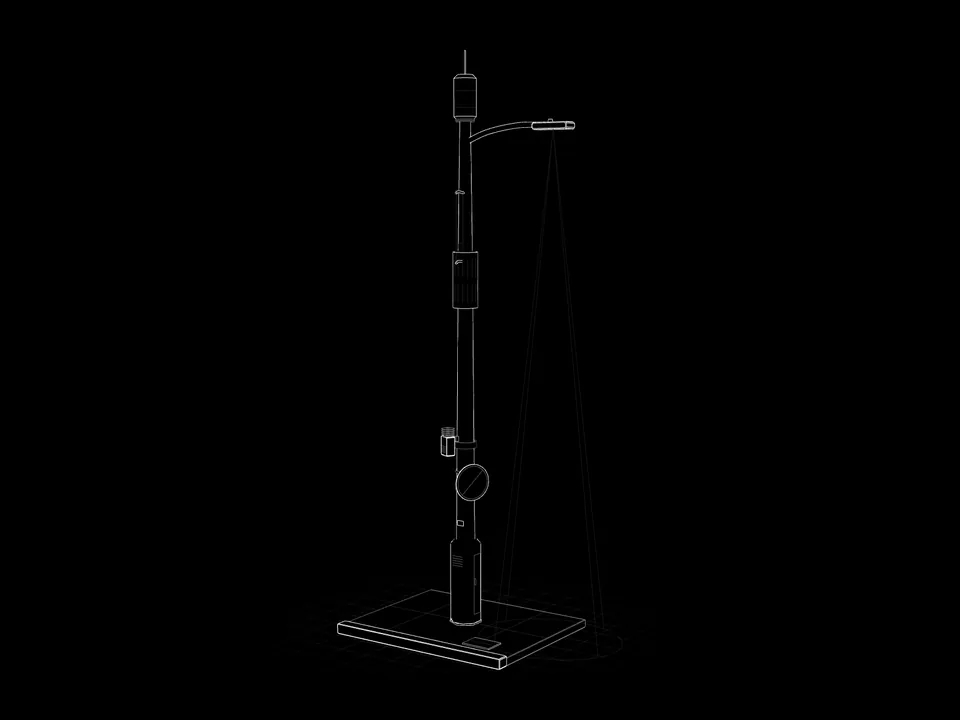
Street small-cell pole
 Reference scene
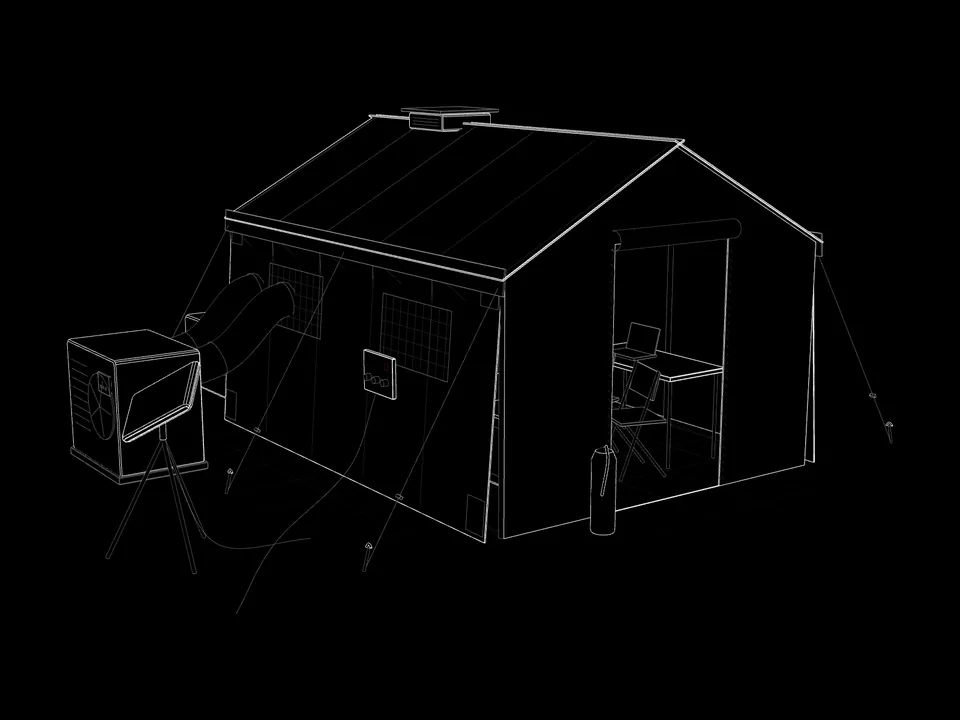
Deployable field shelter
 Reference scene
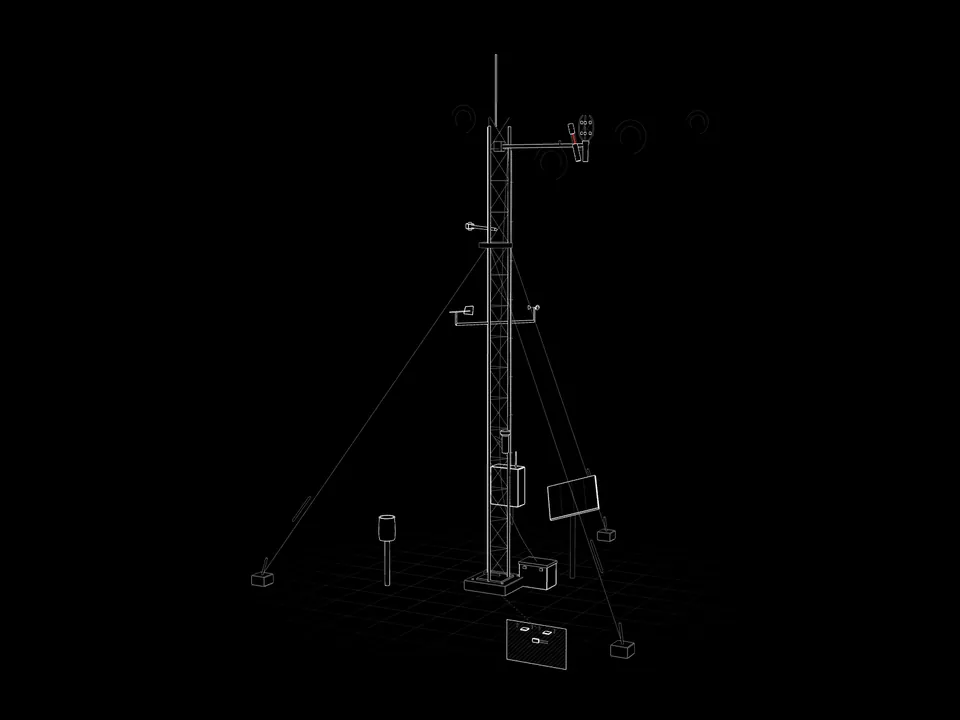
Eddy-covariance flux tower
 Reference scene
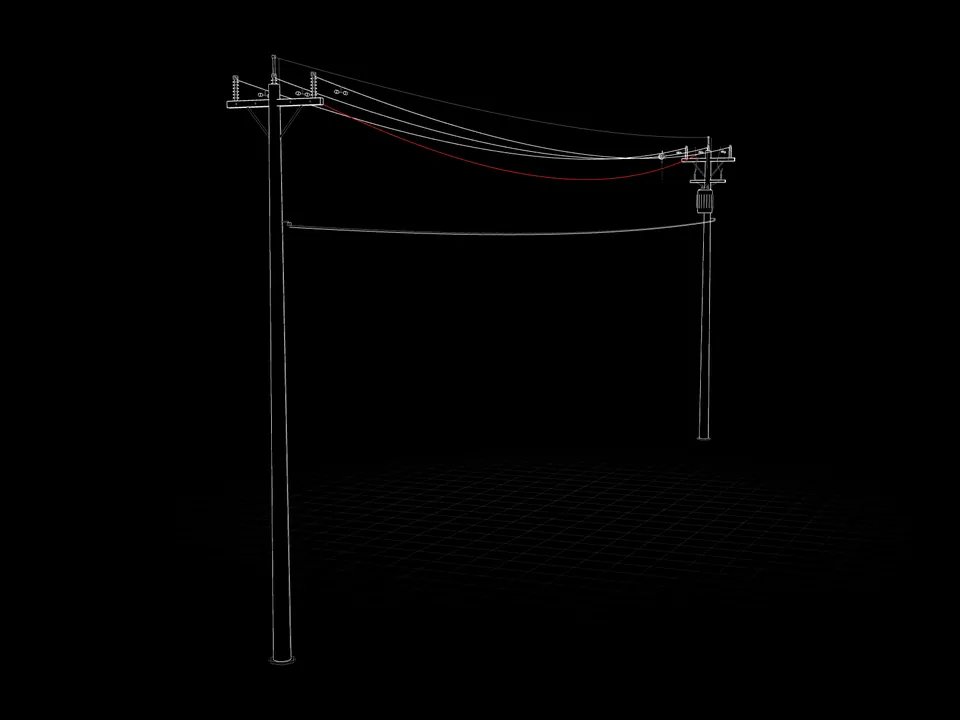
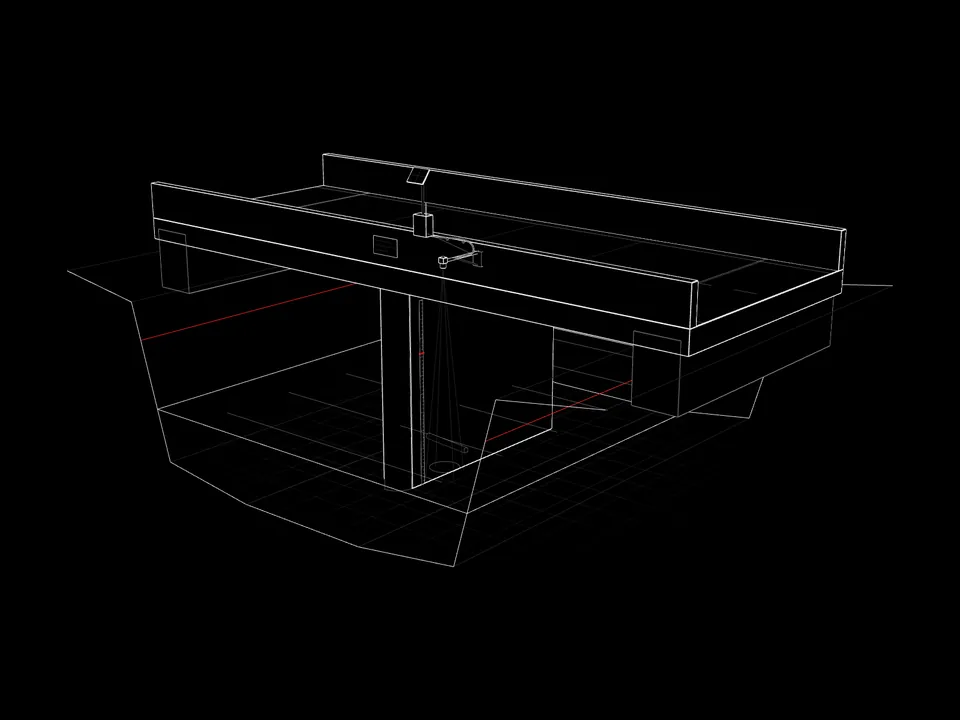
Overhead line sensor
 Reference scene
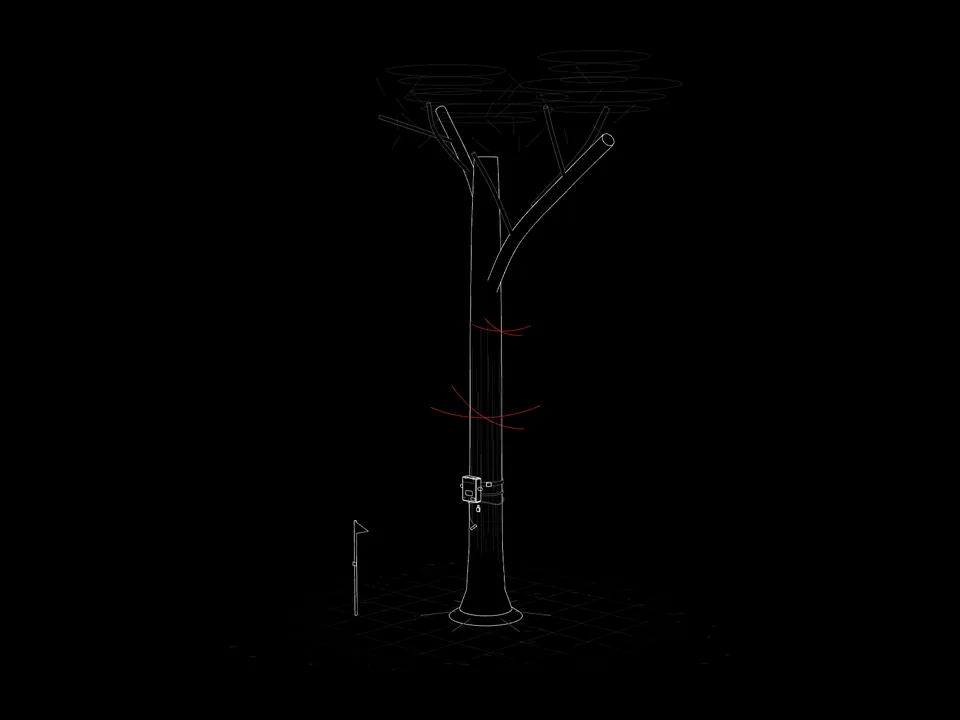
Radar stream gauge
 Reference scene
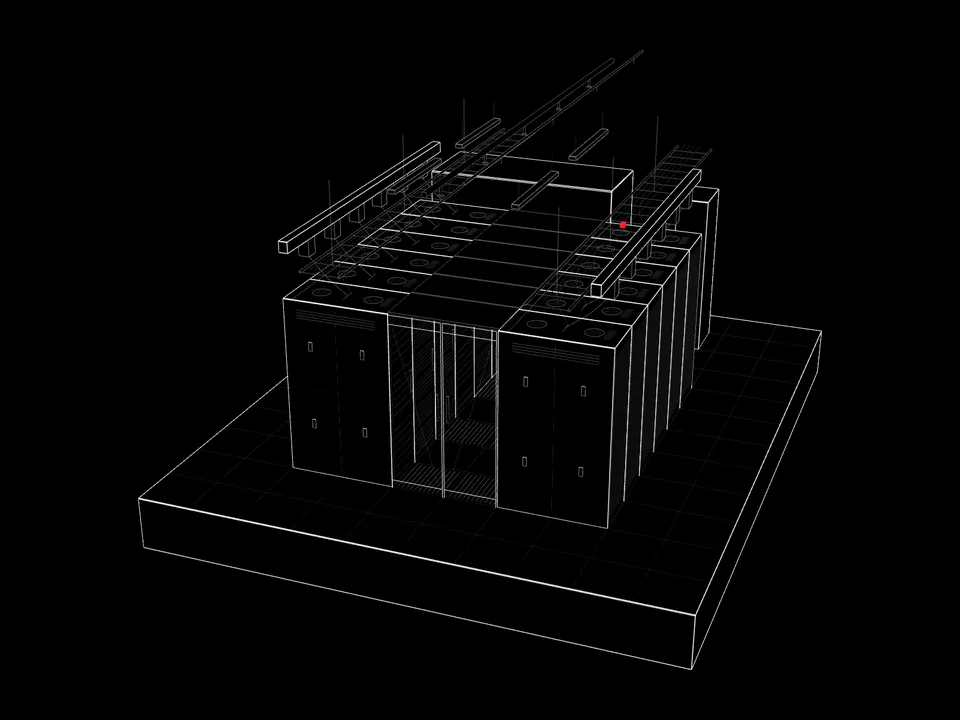
Bioacoustic recorder
 Reference scene
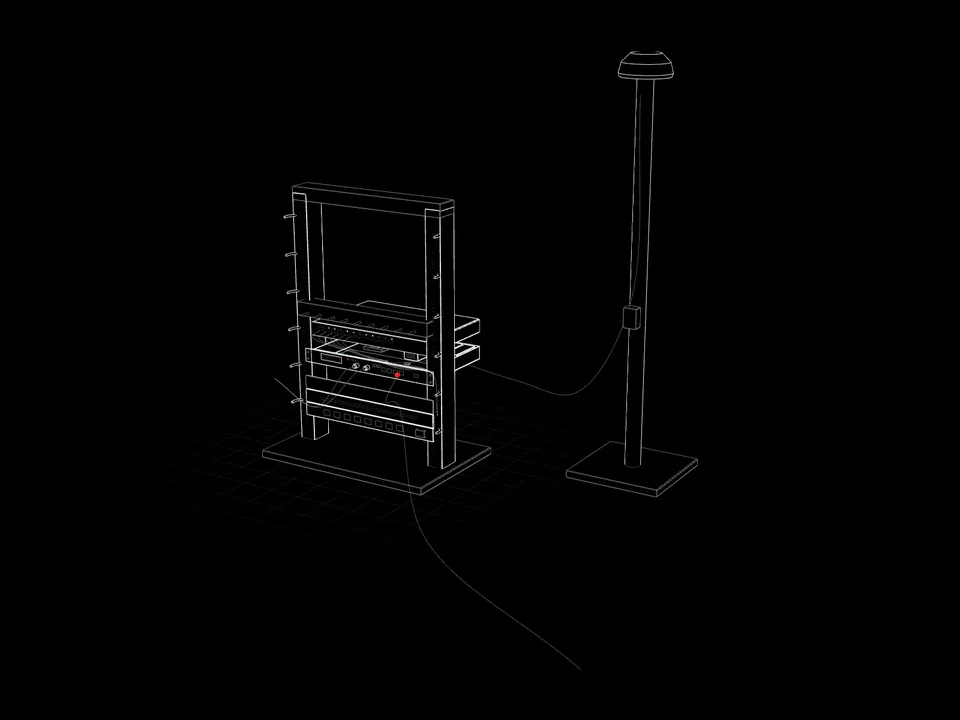
Data hall row
 Reference scene
PTP grandmaster clock
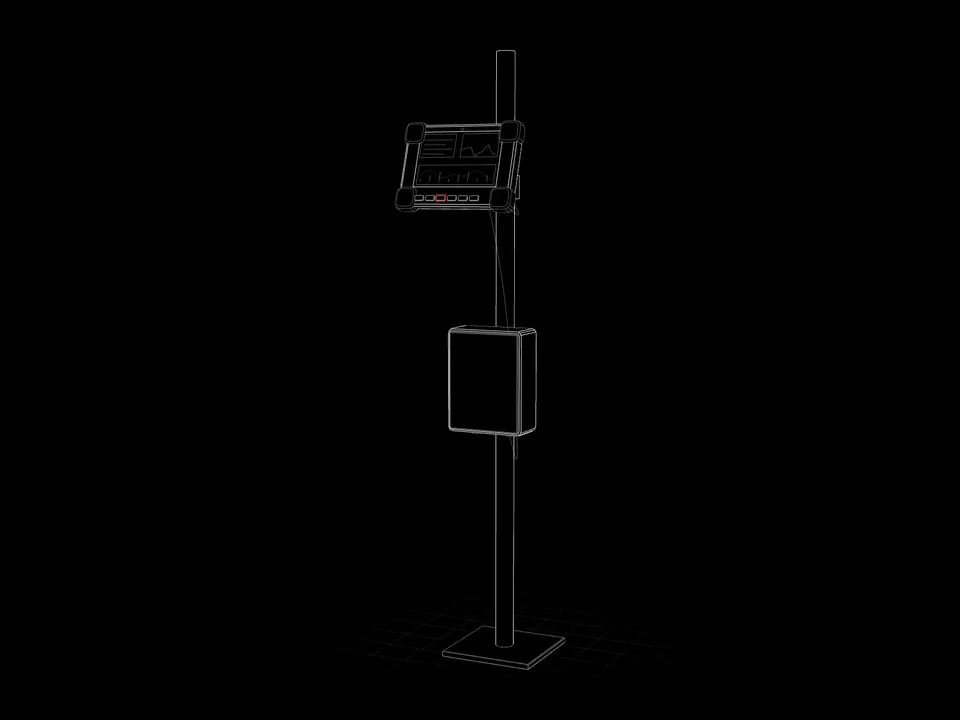 Reference scene
Rugged field tablet
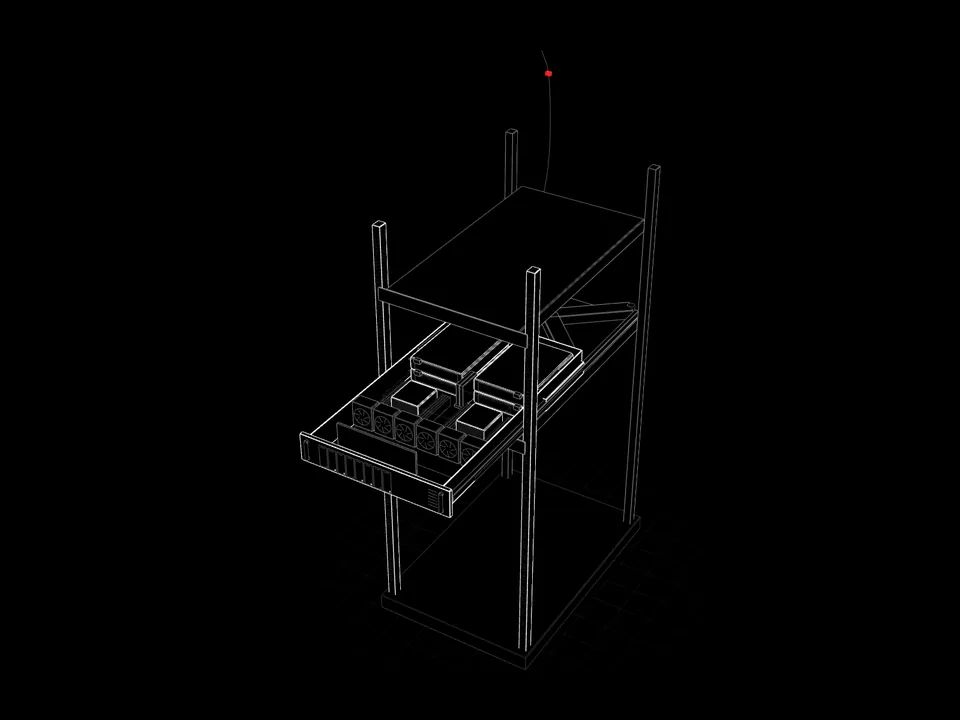 Reference scene
Edge GPU server
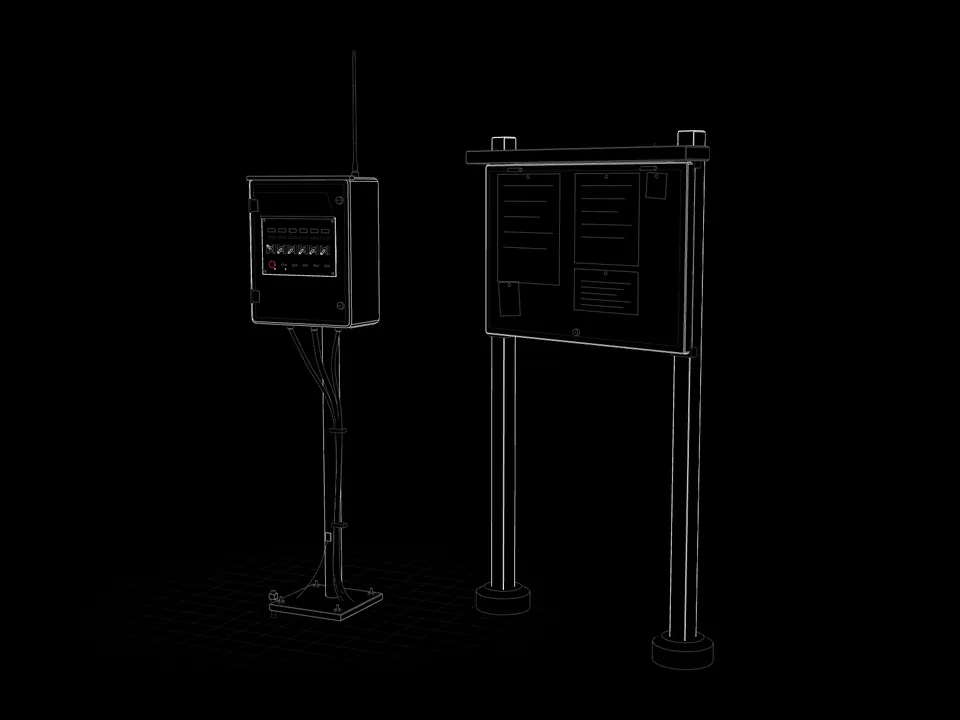 Reference scene
Switch panel, nameplate, noticeboard
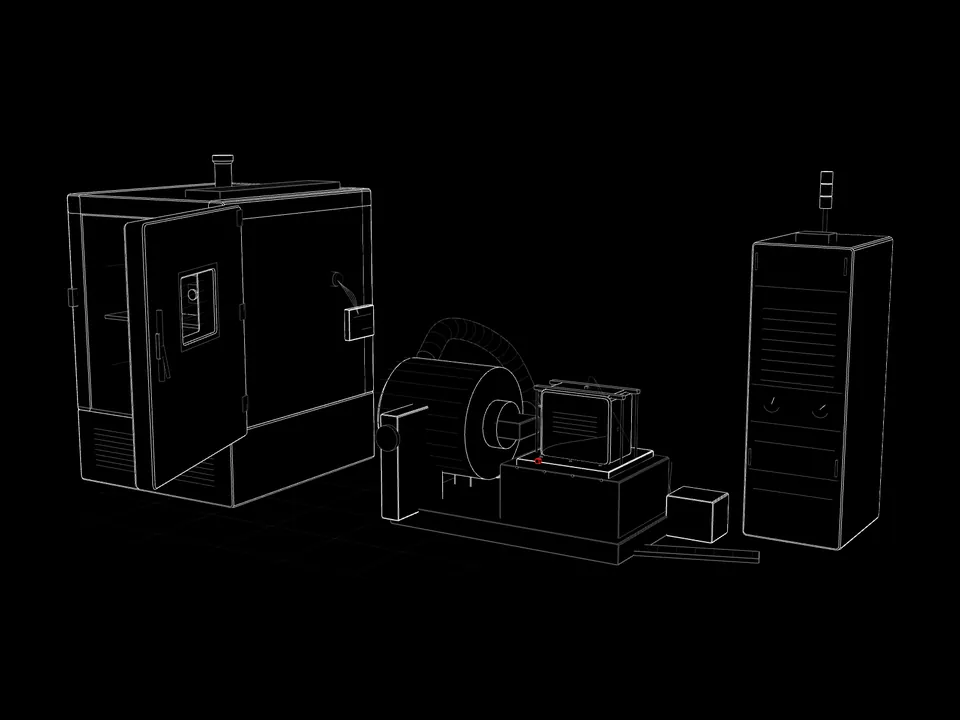 Reference scene
Environmental test bay
 Reference scene
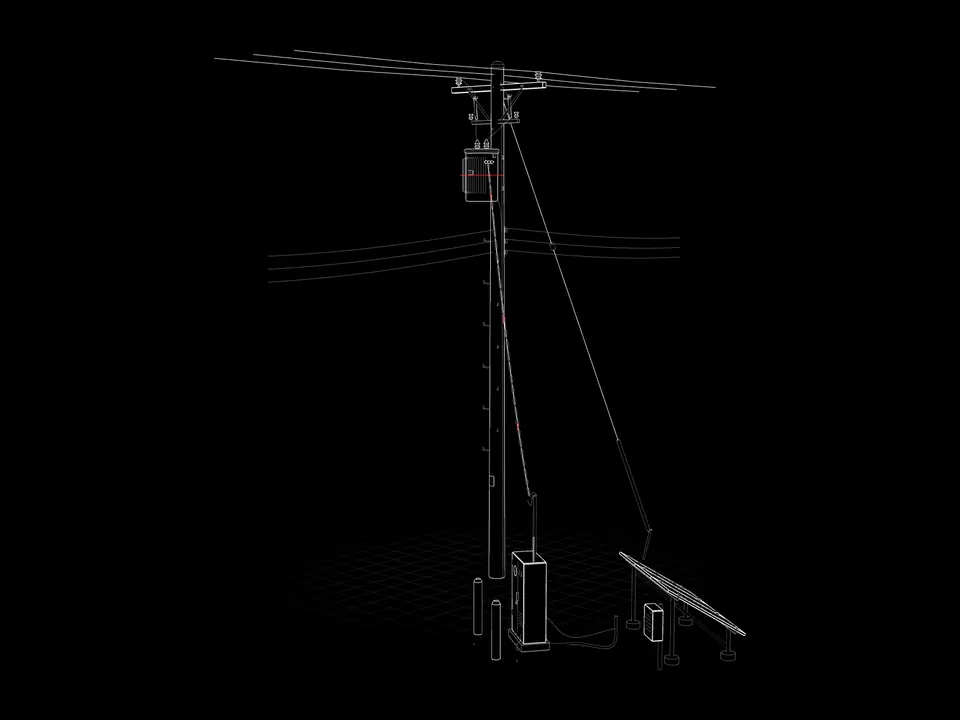
Pole transformer and meter cabinet
 Reference scene
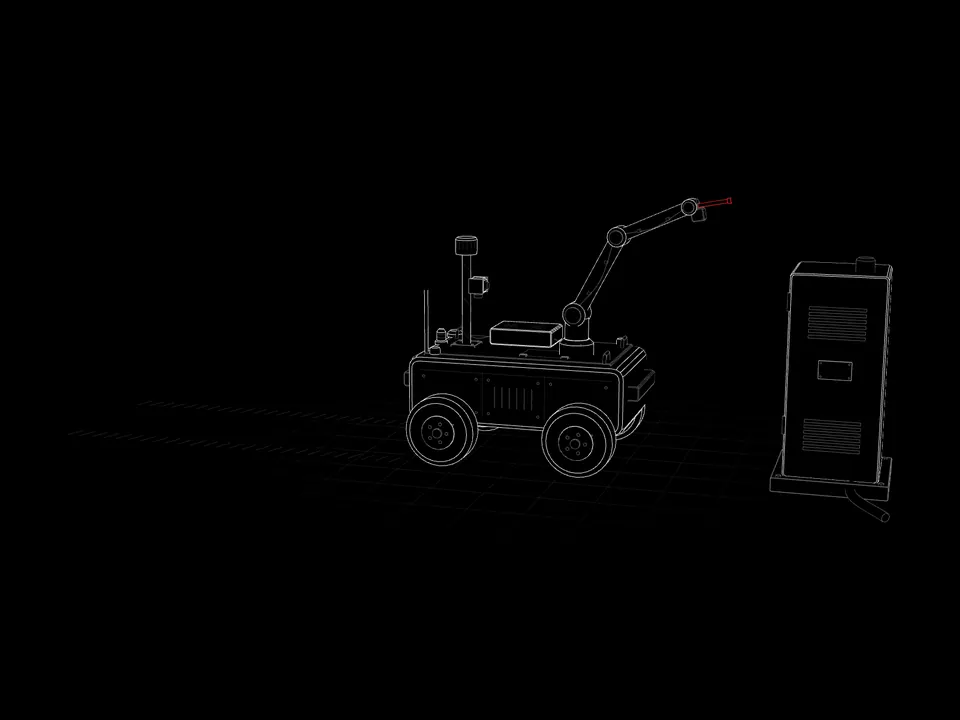
Inspection rover
 Reference scene
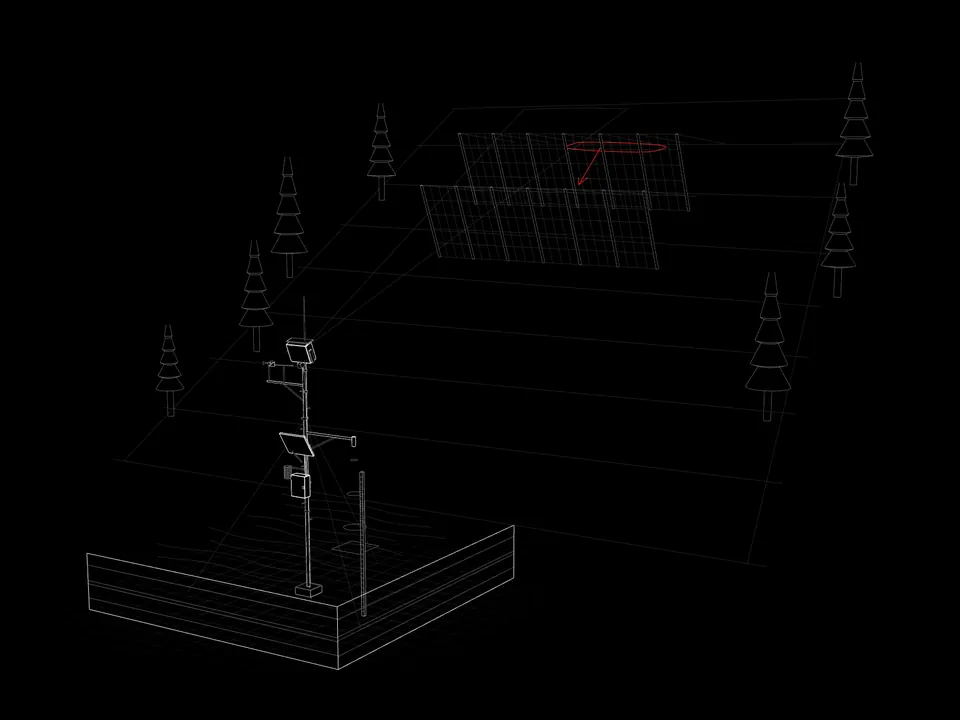
Snow and avalanche station
 Reference scene
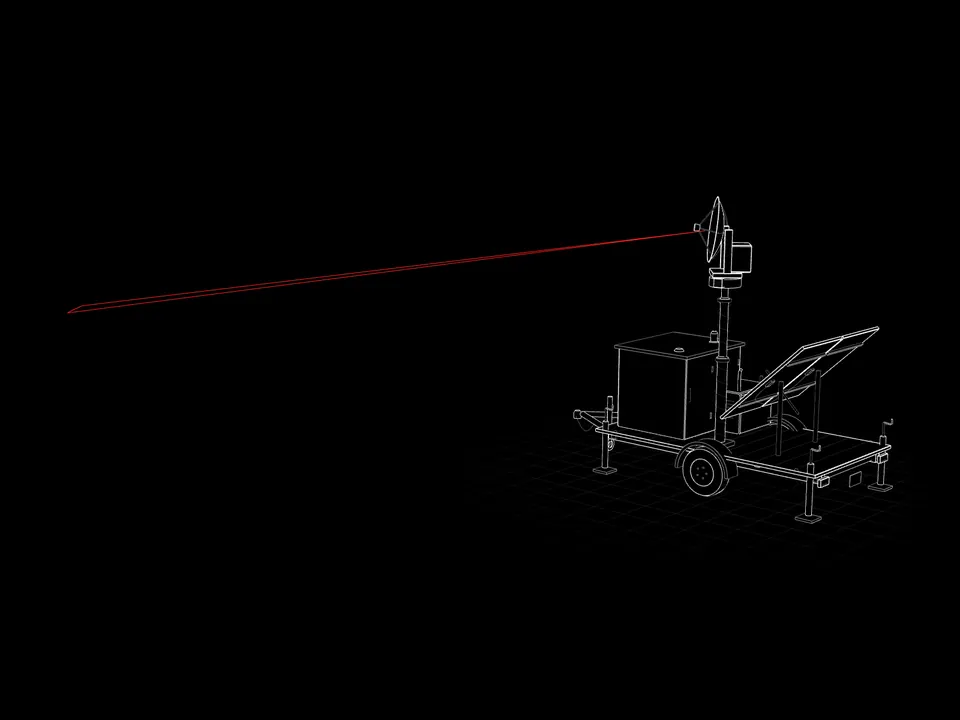
Slope stability radar
 Reference scene
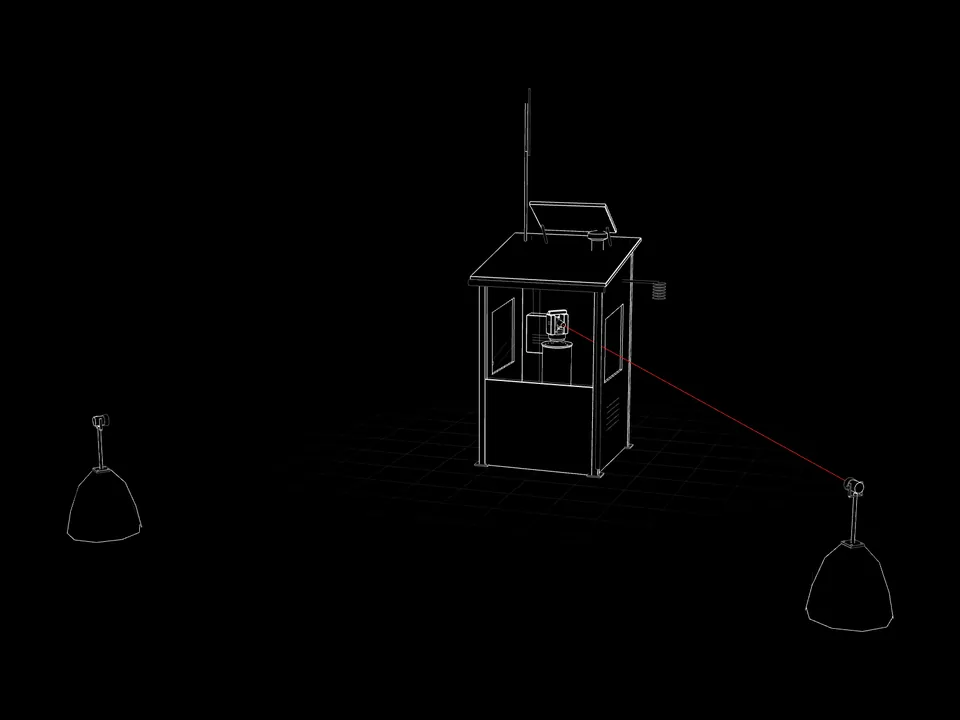
Robotic total station
 Reference scene
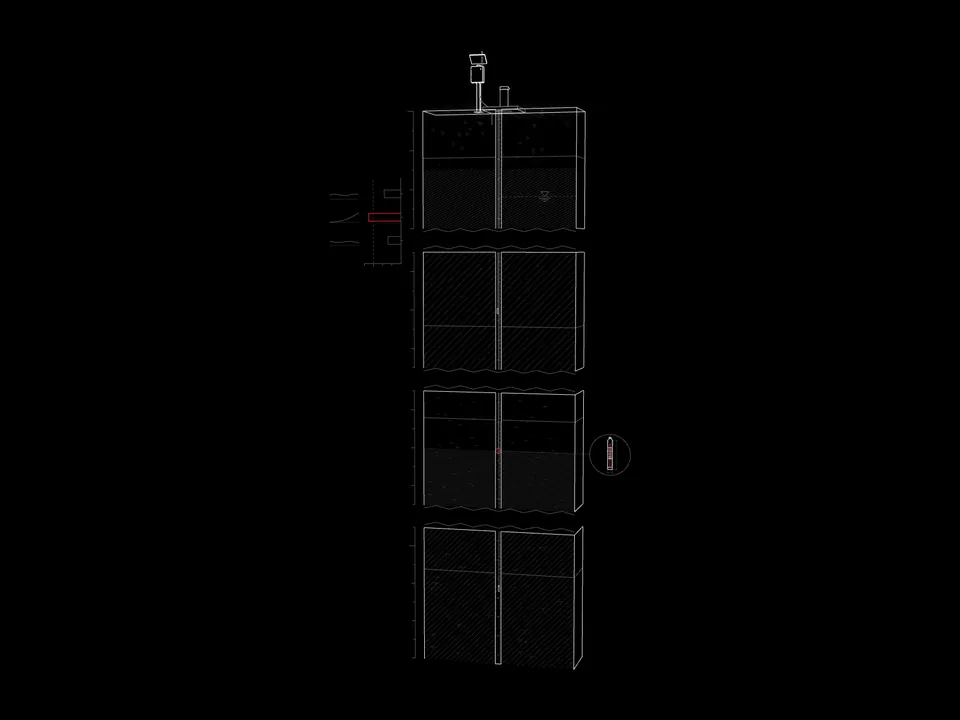
Piezometer string
 Reference scene
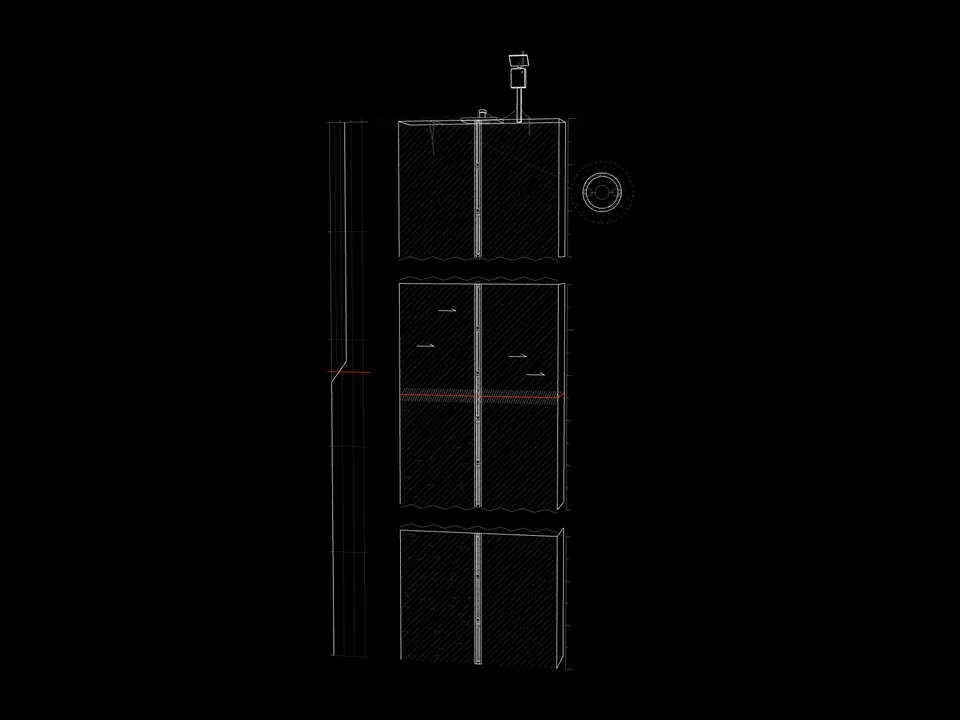
In-place inclinometer
 Reference scene
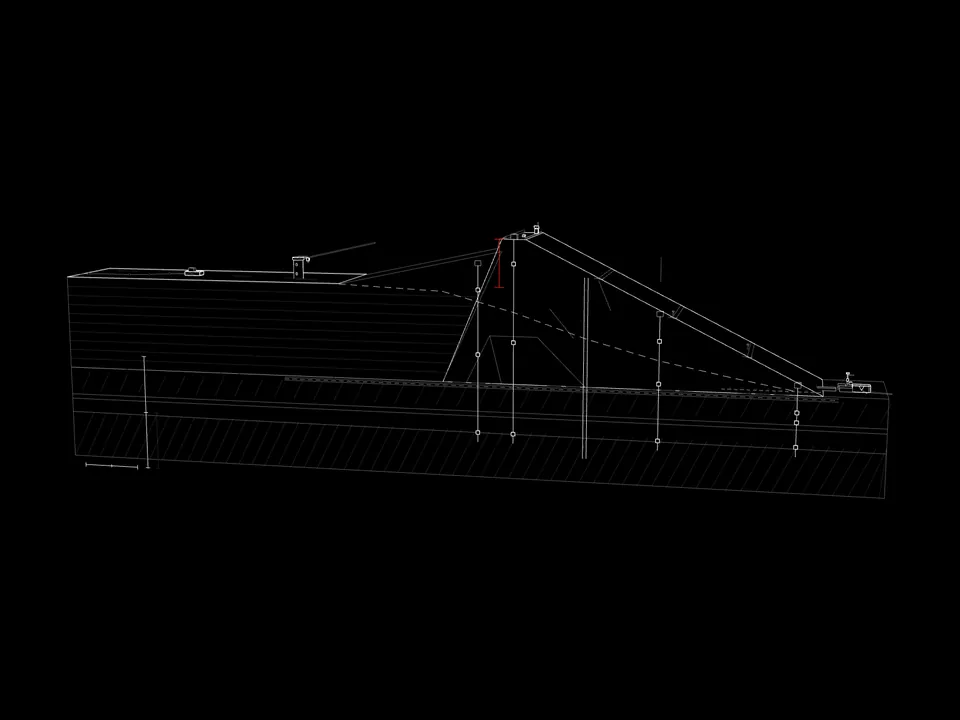
Tailings dam section
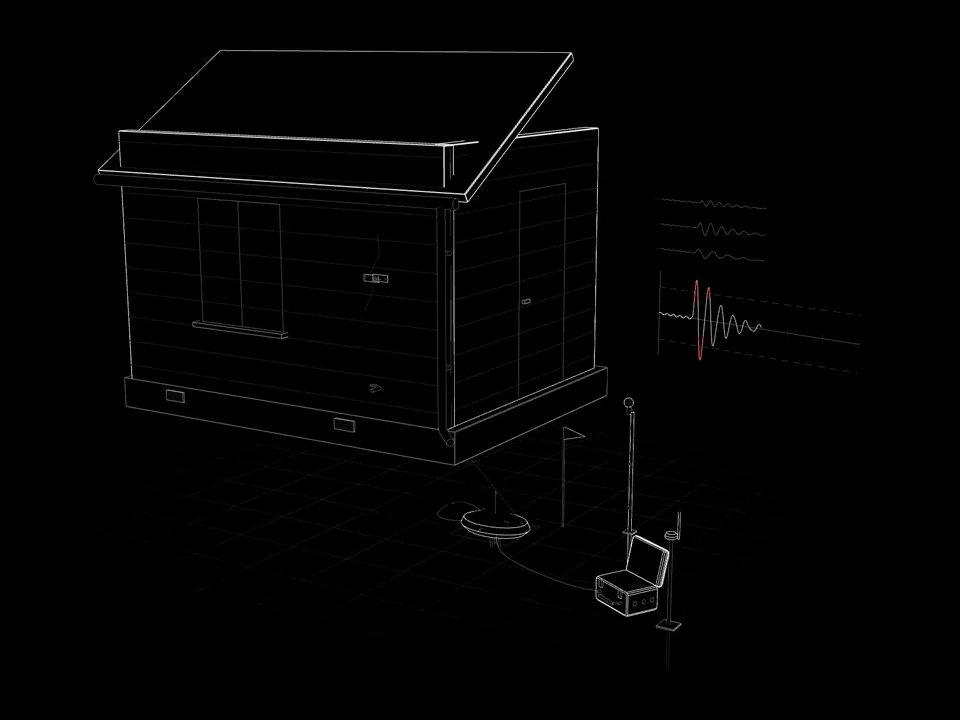 Reference scene
Blast vibration monitor
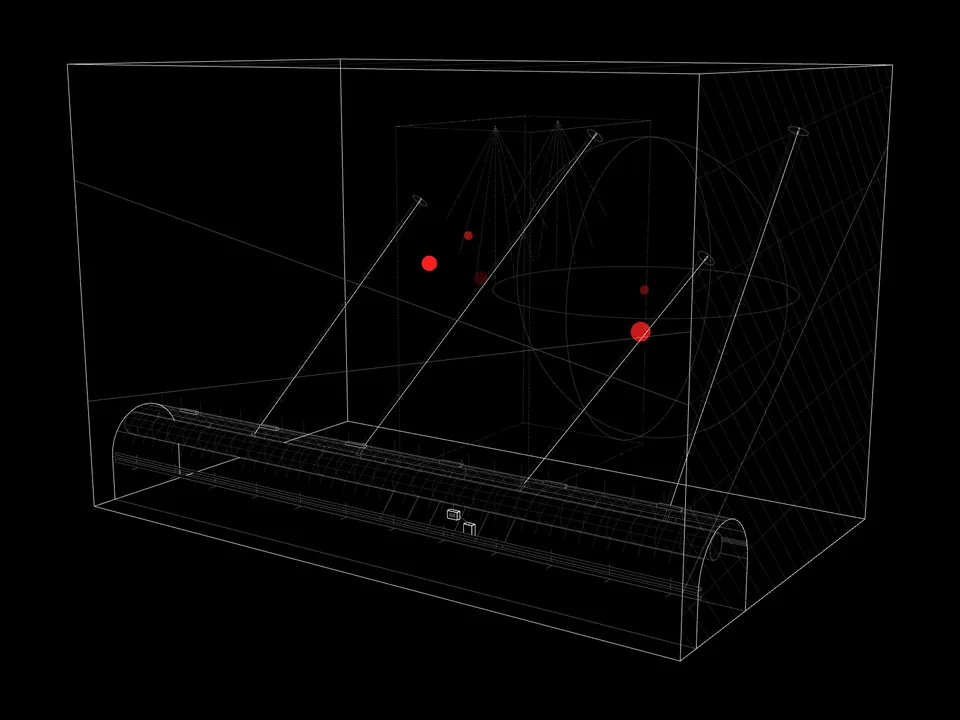 Reference scene
Microseismic array
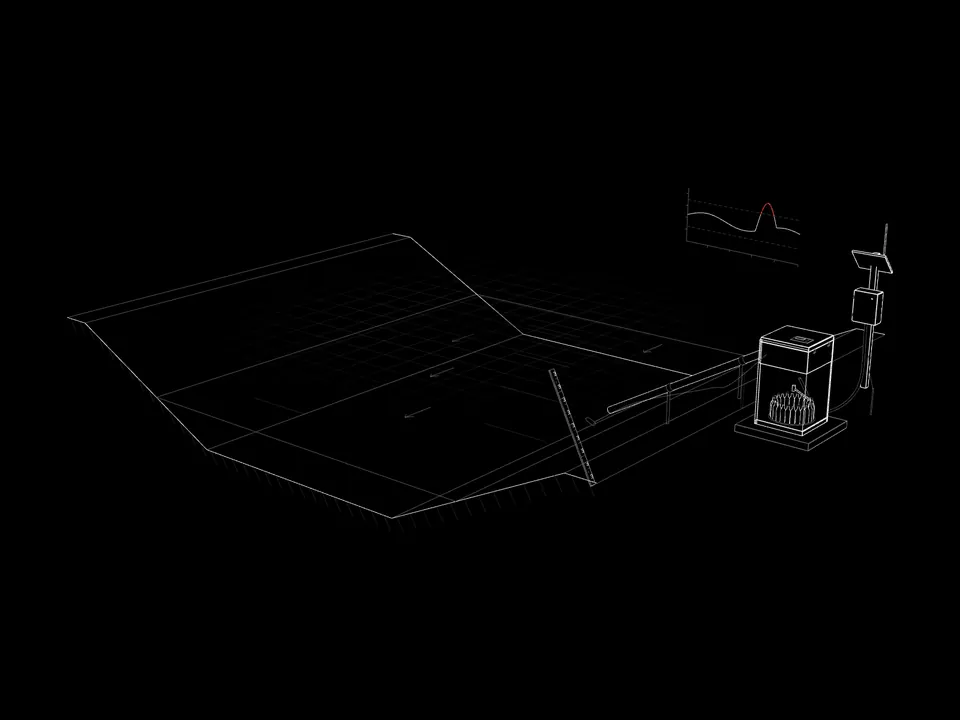 Reference scene
Water-quality station
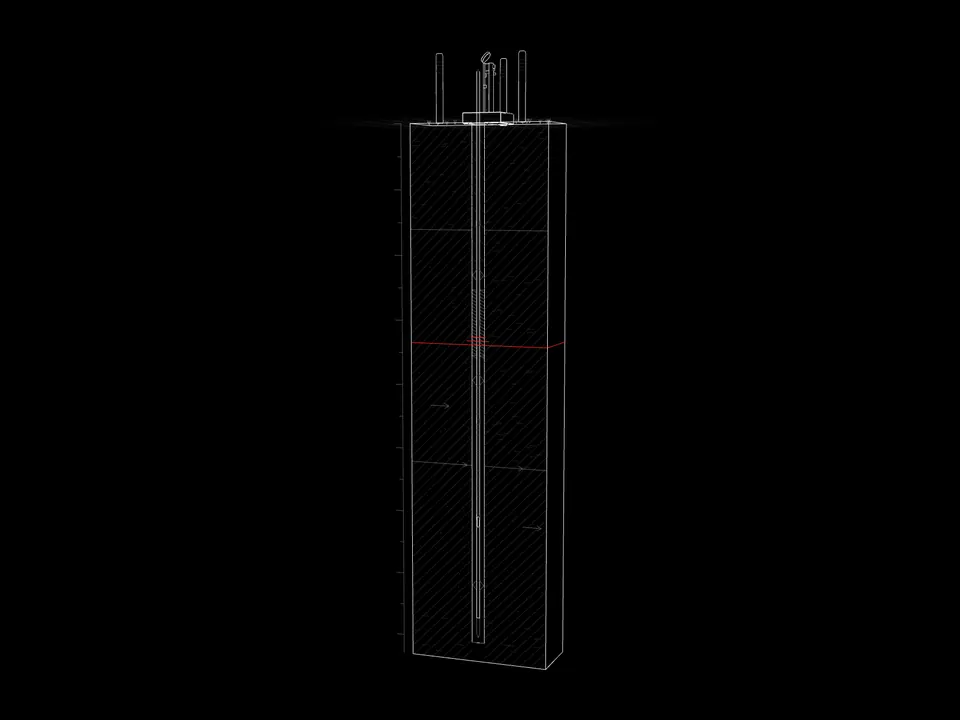 Reference scene
Groundwater monitoring well
 Reference scene
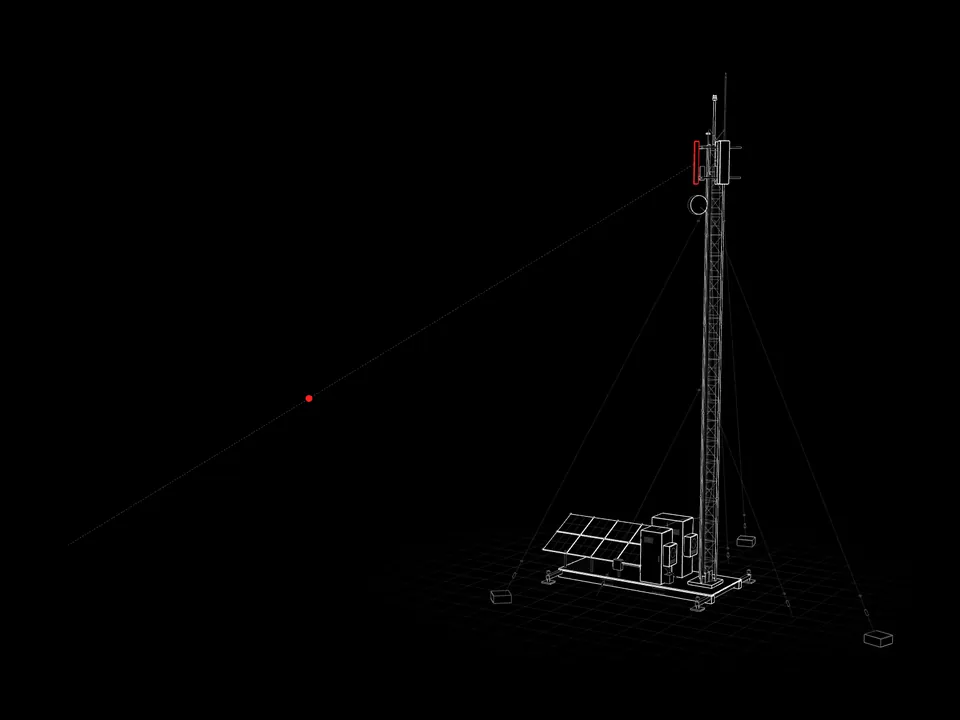
Private LTE mast
 Reference scene
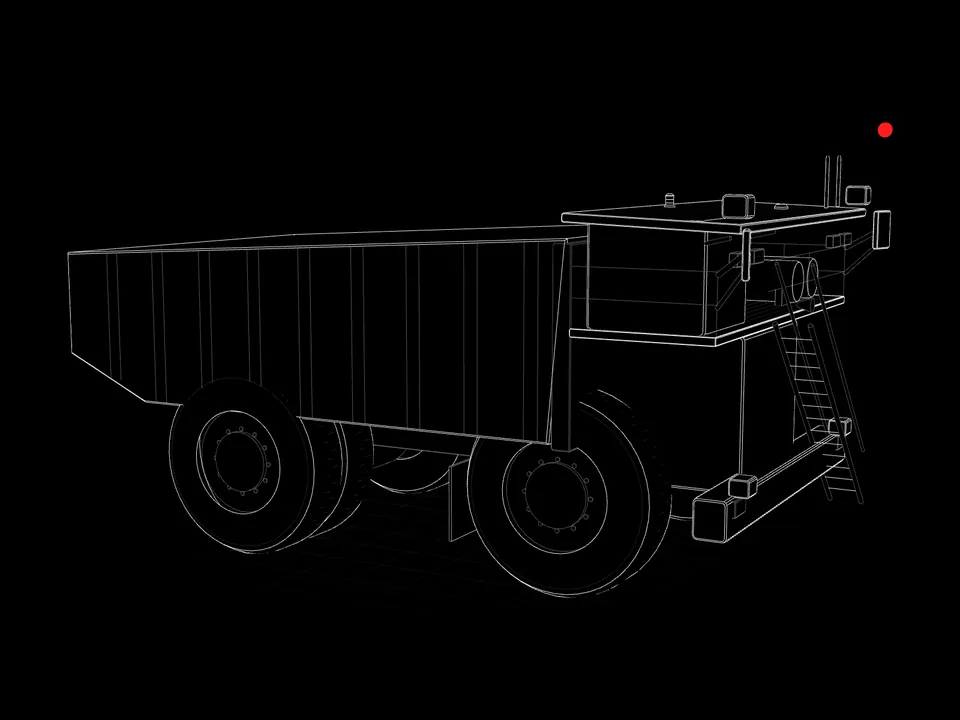
Haul truck
 Reference scene
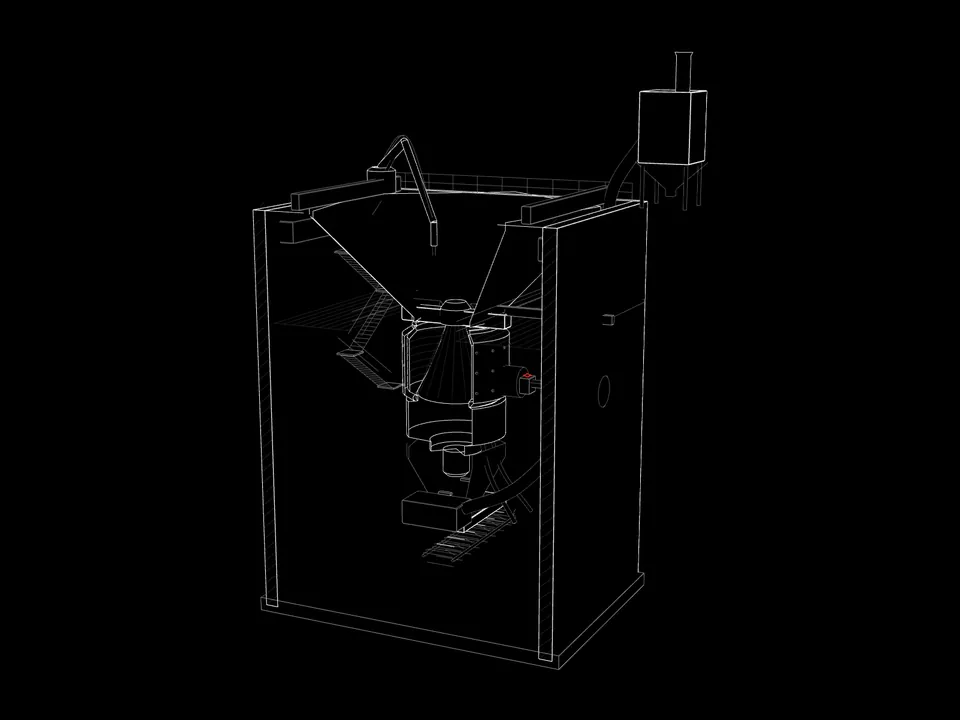
Primary crusher station
 Reference scene
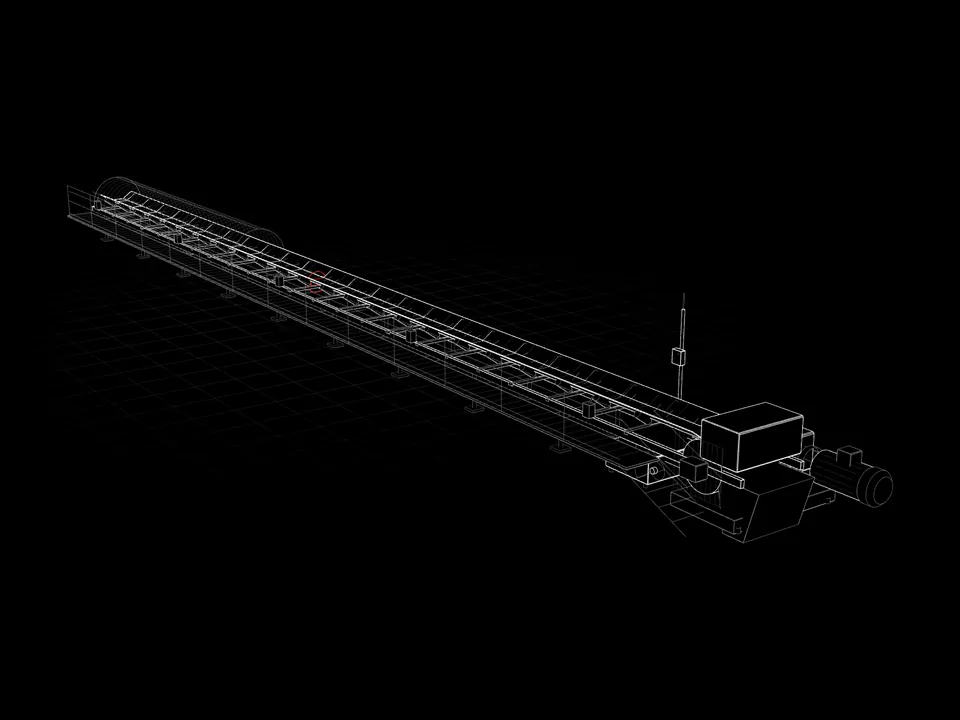
Overland conveyor
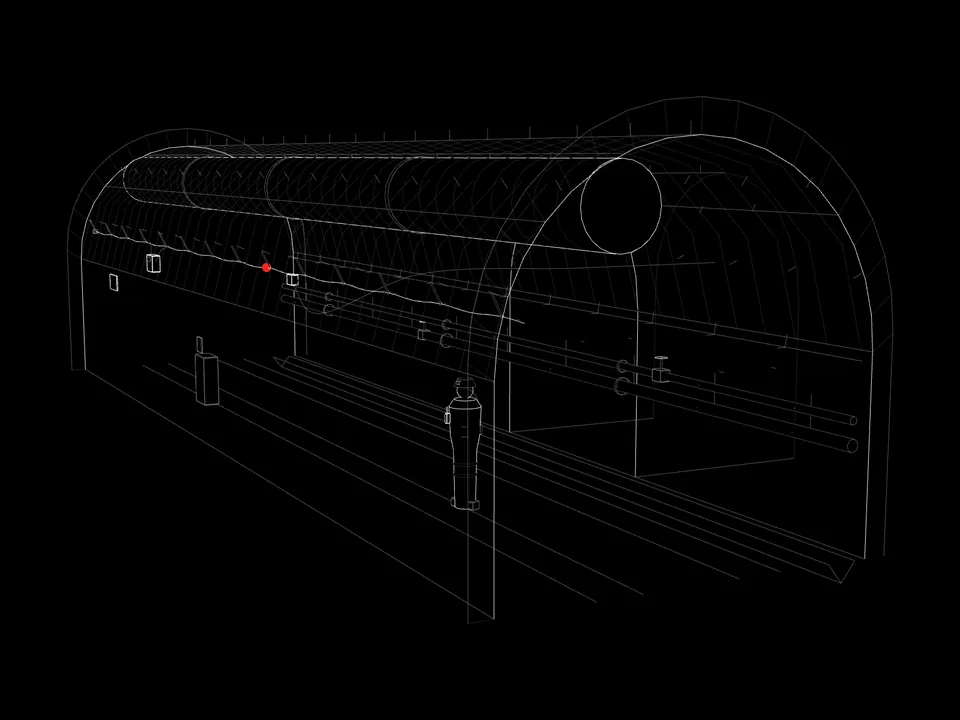 Reference scene
Leaky-feeder drift
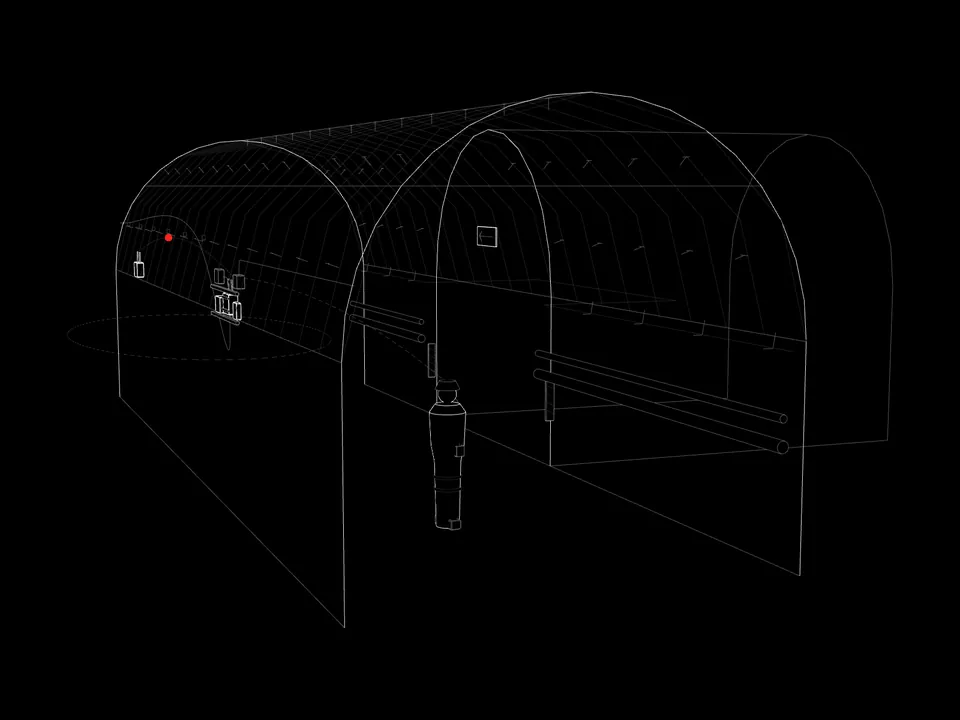 Reference scene
Underground mesh node
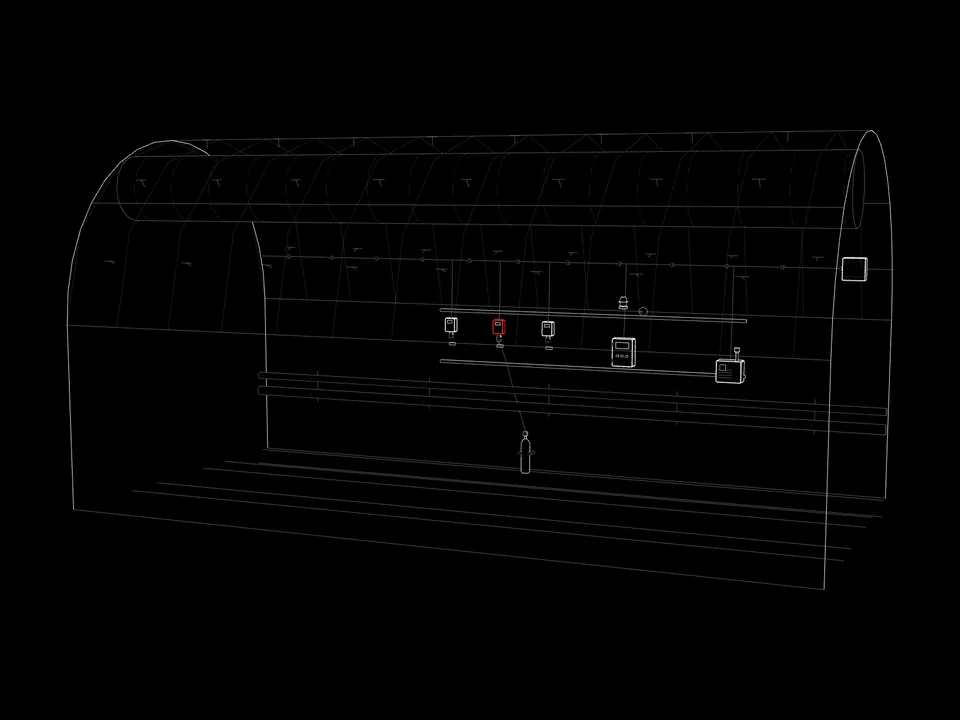 Reference scene
Fixed gas detection
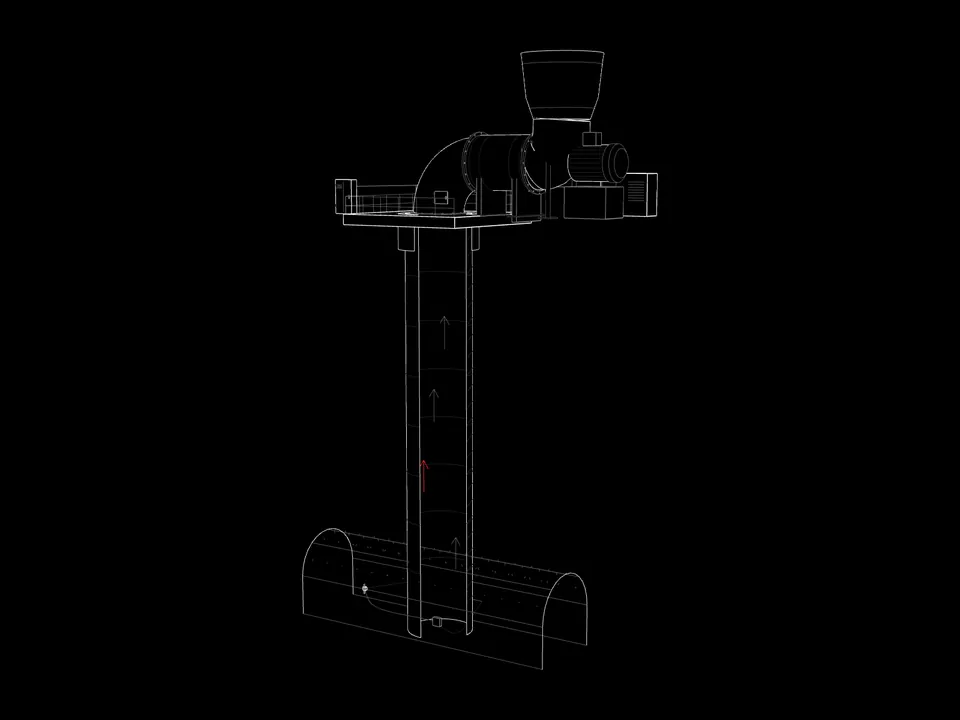 Reference scene
Main ventilation fan
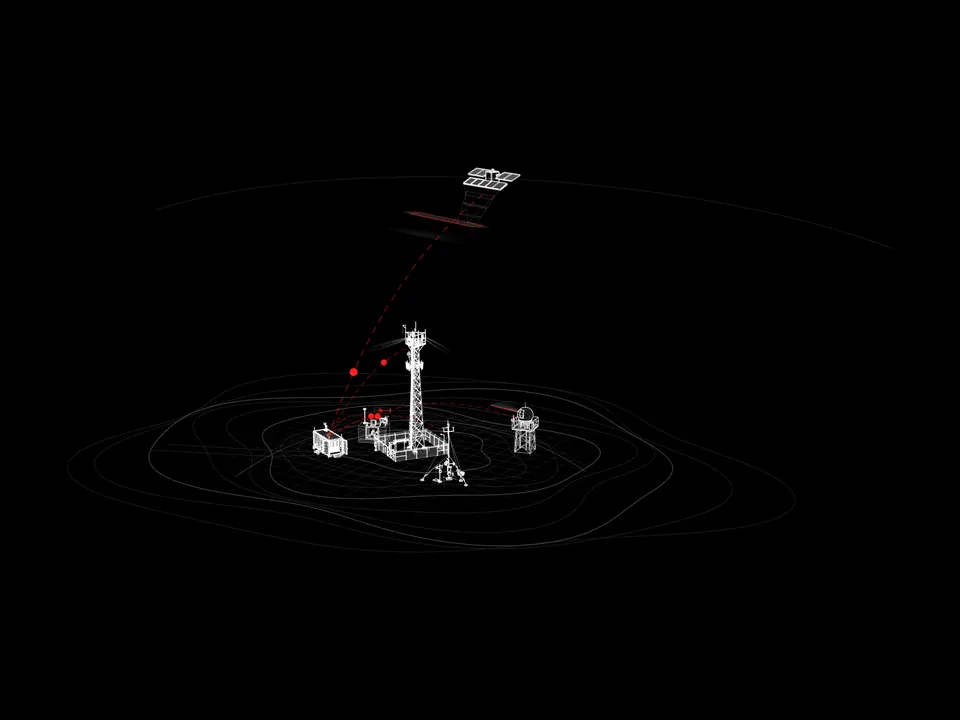 Reference scene
Composed observatory site
Read it, test it, propose a change.
The Observatory Protocol is an open specification. Any party may implement it, and every change is proposed and decided in public.
References
Sources for the historical and standards statements on this page.
- Argo Program. "About Argo." argo.ucsd.edu/about/
- Bradner, S. (1997). RFC 2119, "Key words for use in RFCs to Indicate Requirement Levels." IETF. www.rfc-editor.org/rfc/rfc2119
- Leiba, B. (2017). RFC 8174, "Ambiguity of Uppercase vs Lowercase in RFC 2119 Key Words." IETF. www.rfc-editor.org/rfc/rfc8174