Put your place on the observing grid
A weather station on a farmhouse, a river gauge on a bridge, a Wi-Fi access point in a café, a GNSS reference on a school roof. Each becomes part of one network once it passes the same four steps, and the people who run them decide what is shared.
Register the station against a device class, with its location and the site owner's permission.
You register the station in your account against a device class, with its location and the site owner's permission. It gets a reference.
The device proves what it is: a key held in its secure element and signed firmware.
You set the device up in the Nexus Observatory app with that reference. The device signs a challenge with its secure element.
The device locks to trusted time and proves its position, cross-checked against neighbours and references.
The device locks to GNSS or network time. Its position is checked against neighbours and references, so a station cannot claim to be somewhere it is not.
Observations or carried traffic flow under a licence tier; every hour is accepted or rejected with a reason.
Observations start to flow. Each hour is checked and accepted or rejected with a reason you can see in your account, and you choose whether the station appears on the public map.
কারা অংশ নেয়
Households and individuals
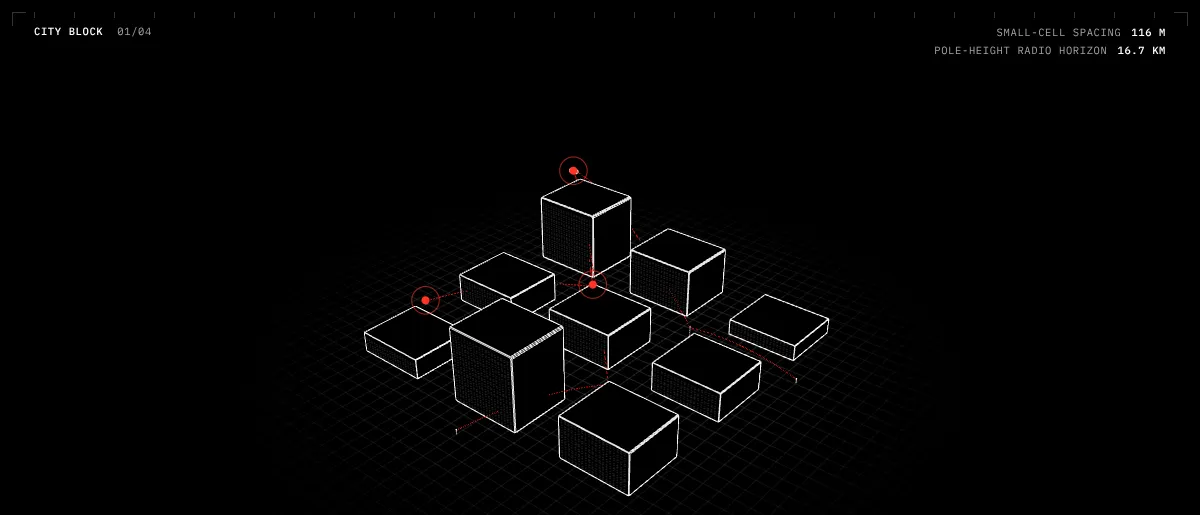
A weather station on the roof, an air-quality sensor on the balcony or a rain gauge in the garden: the observations closest to where people live.
What you bring
- Local weather, air and noise observations
- A site and power for a small device
- Daily manual readings for campaigns
Typical device classes
- Compact weather station
- Air quality monitor
- Acoustic sensor
ভূমিকা
- Observer
- Host
- Station operator
Farms and rural land
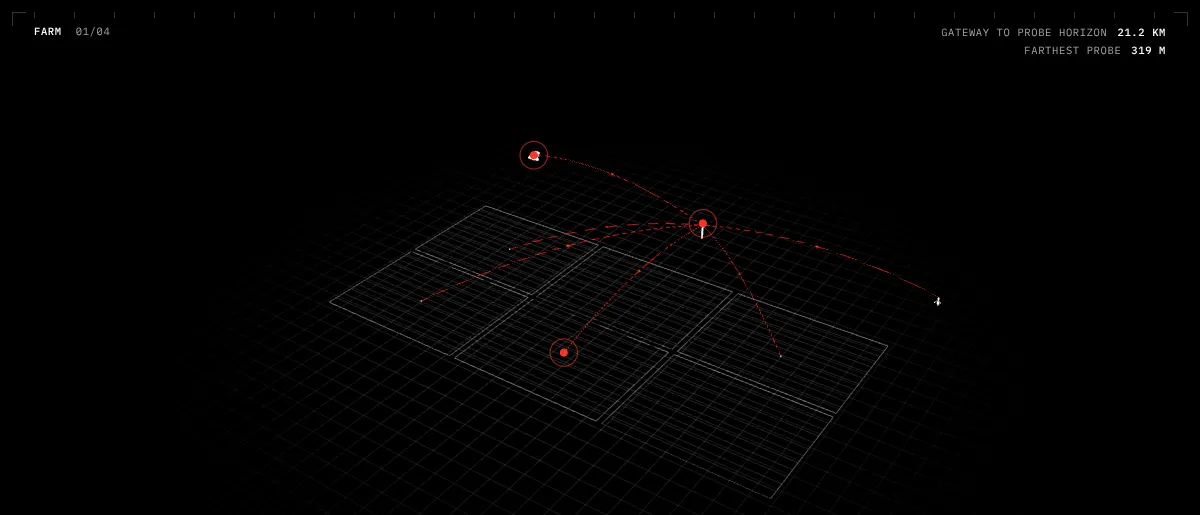
Soil probes, a weather mast and a LoRaWAN gateway that also serves the neighbours: coverage where networks are thinnest.
What you bring
- Soil, weather and water observations
- LoRaWAN coverage for nearby devices
- Sites for masts and solar power
Typical device classes
- Soil probe
- Compact weather station
- LoRaWAN gateway
ভূমিকা
- Host
- Station operator
- Connectivity host Application
Schools and universities
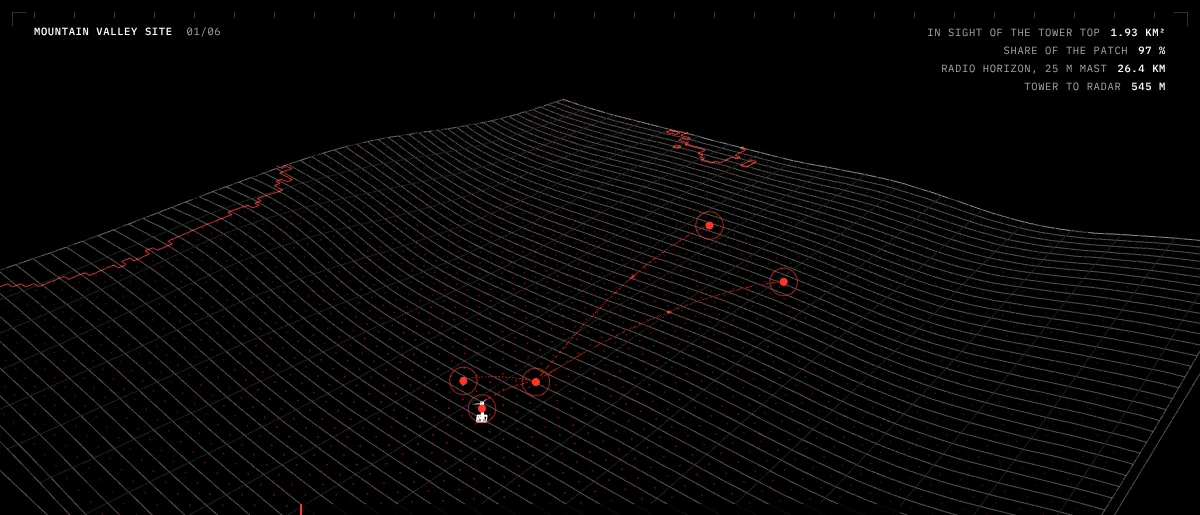
A campus station is a teaching instrument and a research asset: weather, seismic and GNSS references that students run and scientists cite.
What you bring
- Research-grade stations with calibration records
- GNSS and timing references for verification
- Methods and open teaching material
Typical device classes
- Automatic weather station (WMO class)
- Seismometer / strong-motion accelerometer
- GNSS reference station (RTK)
ভূমিকা
- Station operator
- Researcher Application
- Verifier Application
Municipalities and utilities
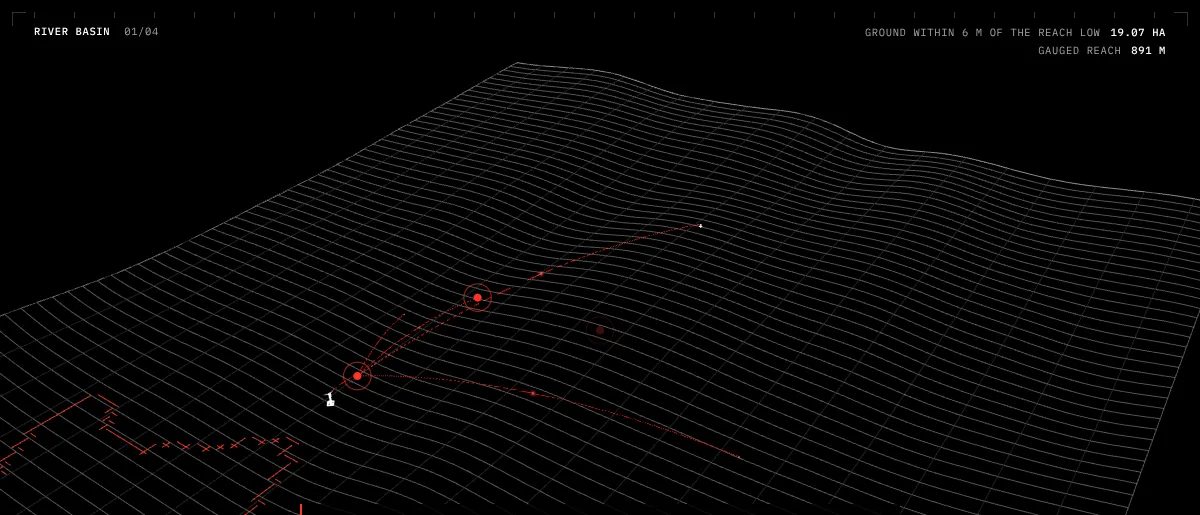
River gauges, air-quality nodes and small cells on public assets: the shared picture a city or utility needs before, during and after an event.
What you bring
- Hydrology and flood observations
- Poles, rooftops and cabinets as sites
- Air quality and heat across neighbourhoods
Typical device classes
- Water level gauge
- Air quality monitor
- Small cell (4G/5G)
ভূমিকা
- Host
- Station operator
- Community steward Application
Businesses and venues
Venues already run Wi-Fi and have power, backhaul and footfall. Joined to roaming federations and private networks, that capacity serves visitors and operators.
What you bring
- Wi-Fi with Passpoint for roaming visitors
- Private LTE and 5G small cells
- Edge compute close to users
Typical device classes
- Wi-Fi access point
- Small cell (4G/5G)
- Edge node (Wedge)
ভূমিকা
- Host
- Connectivity host Application
- Station operator
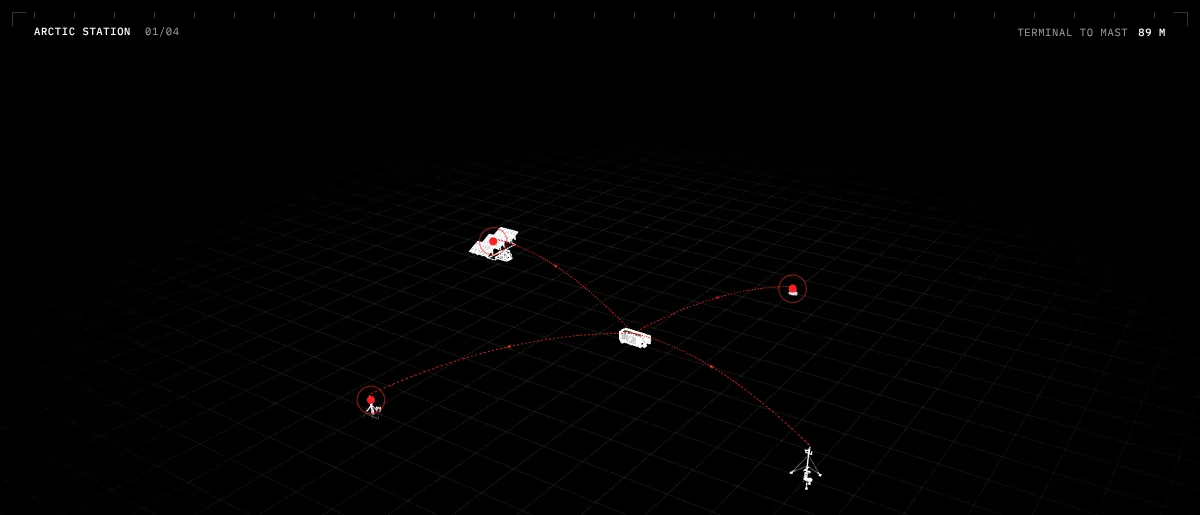
Community and Indigenous-led networks
Communities that build their own mesh, LoRaWAN and satellite links decide what is observed on their land and who may use it.
What you bring
- Community-run connectivity and sensing
- Local knowledge of siting and seasons
- Stewardship of who sees which data
Typical device classes
- LoRaWAN gateway
- LEO flat-panel terminal
- Compact weather station
ভূমিকা
- Community steward Application
- Host
- Connectivity host Application
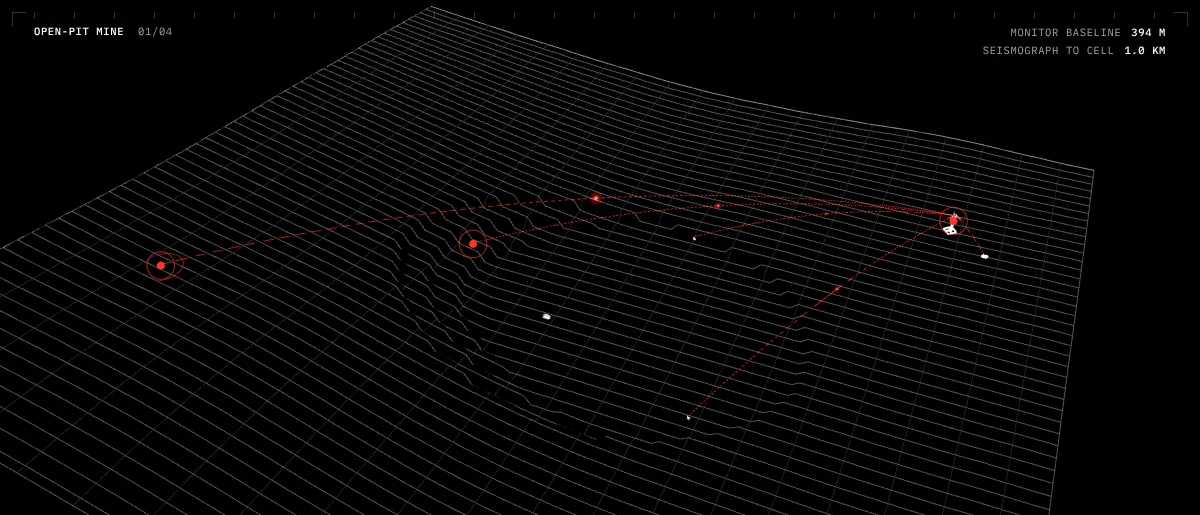
Industry and infrastructure operators
Mines, corridors, ports and plants already instrument their assets. Sharing the observations that are safe to share strengthens everyone's picture of hazards.
What you bring
- Asset and hazard monitoring at scale
- Private networks with spare capacity
- GNSS slope and structural monitoring
Typical device classes
- GNSS geodetic station
- Seismometer / strong-motion accelerometer
- Small cell (4G/5G)
ভূমিকা
- Station operator
- Host
- Connectivity host Application
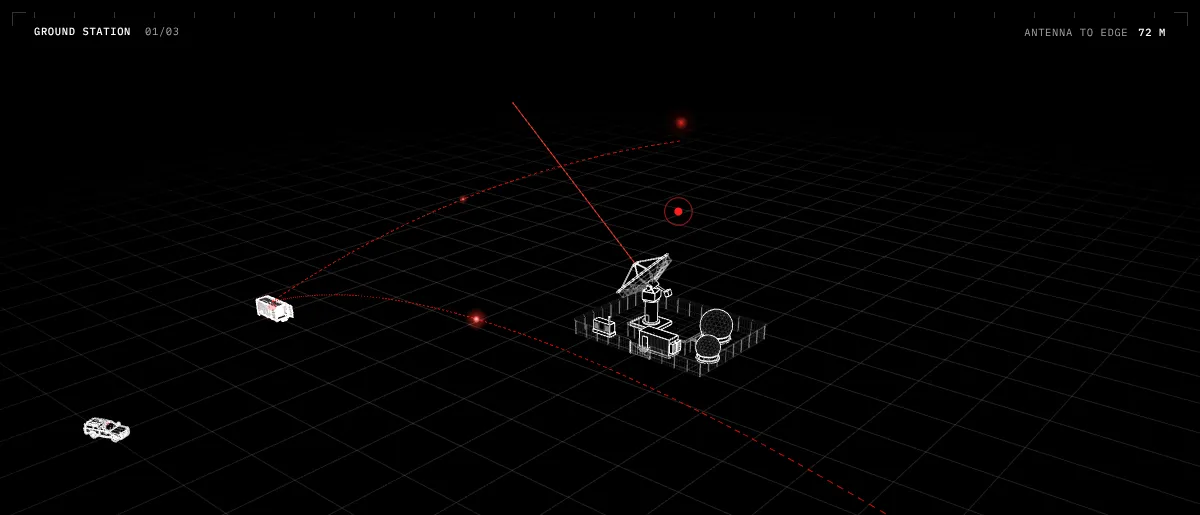
Makers and hardware companies
Build to a published device class, pass attestation and radio approvals, and your hardware can join the network anywhere it is sold.
What you bring
- Hardware admitted to a device class
- Reference builds and firmware
- Onboarding support for buyers
Typical device classes
- Edge node (Wedge)
- PTP grandmaster
ভূমিকা
- Builder Application
- Hardware maker Application
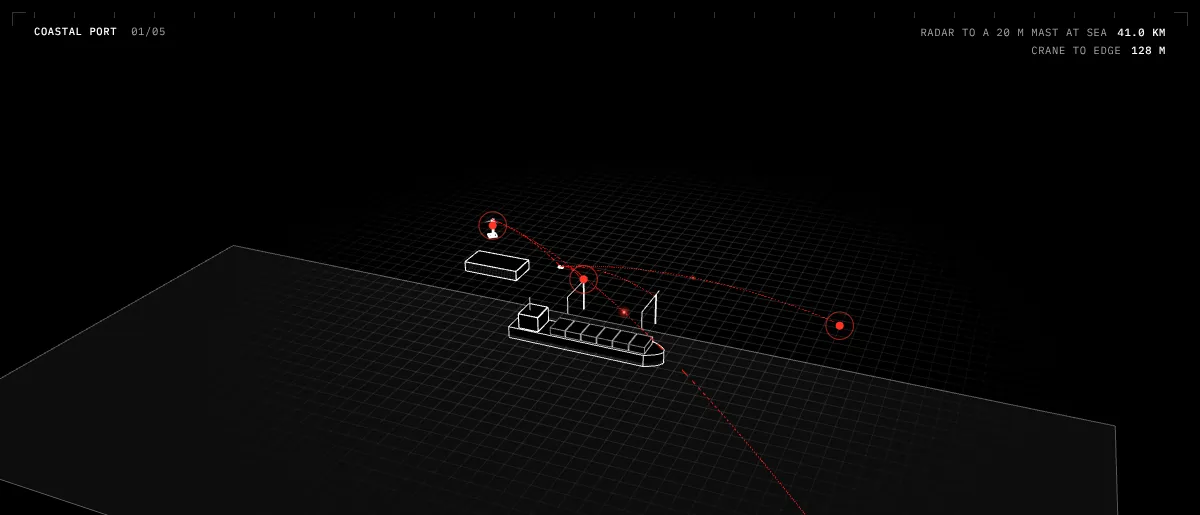
Researchers and developers
Use the data the network publishes, build on the app, and send back the methods and models that make every station more useful.
What you bring
- Methods, quality checks and models
- Integrations and dashboards
- Open teaching material
ভূমিকা
- Researcher Application
- Developer
- Observer
How a station grows
Stations move up as they prove more: from registered, to contributing every hour, to synoptic quality, to an institutional service. Connectivity nodes have their own tier.
- Q0 RegisteredThe device is registered against a device class with its serial, firmware signature and location assertion.
- Q1 ContributingProof of location, data quality above a threshold for a share of hours over a window, within the site's capacity.
- Q2 SynopticA siting audit, calibration within a set interval and WMO-style station metadata.
- Q3 InstitutionalA service level, redundancy, persistent identifiers and a responsible officer, built to be GBON-ready.
- Connectivity nodeRadio equipment approvals, a secure element, verified location and traffic tests.
Taking part is voluntary and unpaid. Points, badges and trust levels are recognition only and have no cash value. Nothing on this page is an offer of payment, income or any other financial benefit. See the Contributor and Data Contribution Terms. Read the terms